


 (608) 234-1630 Emergency Call
Wisconsin's Premiere Roofing Company
Storm Damage Roof Repair in Cottage Grove, WI
5.0 Stars - Based on 148 User Reviews
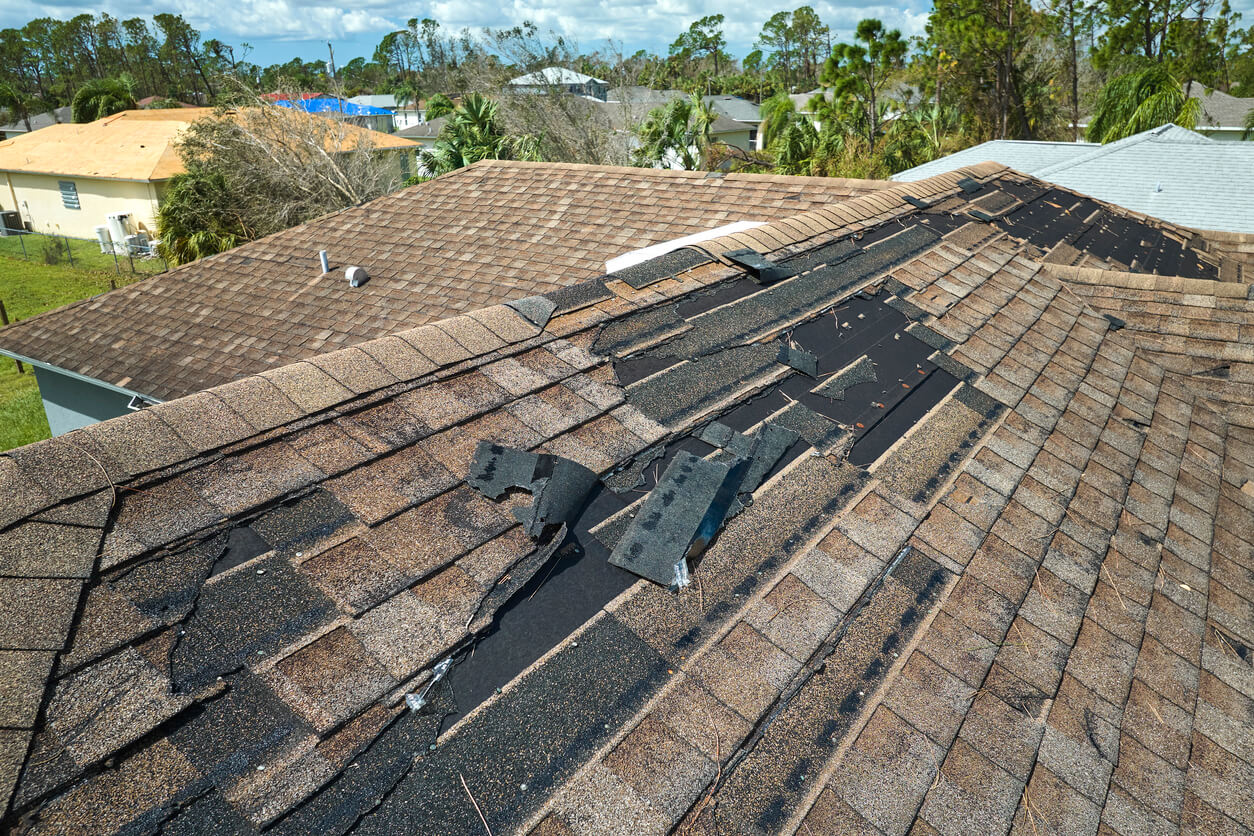
Cottage Grove sits in a part of Wisconsin that sees real weather pressure across every season. Summers bring strong thunderstorms with hail and wind gusts that can strip granules, crack shingles, and lift edges you might not notice until water starts showing up inside. Winters pile on with heavy snow, ice buildup, and repeated temperature changes that push existing damage further along. When spring arrives and things thaw out, a roof that looked fine in the fall can suddenly show you exactly where it was compromised. For homeowners here, storm damage is not a rare event. It is part of owning a home in south-central Wisconsin.
The challenge with storm damage is that a lot of it is not obvious right away. Bruised shingles, loosened flashing, and compromised roof edges can let water in long before you see a stain on the ceiling. That gap between the storm and the visible leak is where the real damage tends to grow. Catching it early, with a thorough roof inspection after significant weather, is what separates a straightforward repair from something much more involved and expensive down the road.
Badgerland Property Service works with homeowners across Cottage Grove on exactly this kind of storm damage repair work, from patching isolated shingle damage to addressing the flashing and roof edge issues that storms commonly leave behind on asphalt shingle roofs like the ones found throughout this area.
How Storm Damage Roof Repair Works in Cottage Grove, WI
Not knowing what comes next after a storm can be as stressful as the damage itself. Here is how Badgerland Property Service handles the repair process from the first inspection through completion.
- Step 1: Roof Inspection
We get on the roof and examine all areas that may have been affected by the storm, including shingles, flashing, valleys, edges, and any roof gaps where water intrusion could occur. Signs such as lifted shingles, granule loss, and weakened seals are carefully identified so the full condition of the roof is clear. - Step 2: Condition Review and Repair Options
Once the inspection is complete, the findings are explained in straightforward terms. You are shown what damage is present, what areas are still in good condition, and what repair options make sense. If the issue is limited and only a small section needs attention, that is communicated directly. - Step 3: Written Repair Scale and Estimate
A detailed scale of work is prepared based on what was actually found on the roof. This outlines exactly what will be repaired and why, ensuring there is a clear understanding of the work before anything begins. The goal is transparency with no unnecessary additions. - Step 4: Storm Damage Repair Work
Repairs are completed efficiently, usually within a few hours to a full day, depending on the level of damage. Work includes replacing damaged shingles, resealing or repairing flashing, and addressing related components such as soffit or fascia boards when they have been affected by the same storm. - Step 5: Final Inspection and Completion Review
After the repairs are finished, the work is inspected to confirm everything has been properly addressed. The completed repair is reviewed with you so you can see the results and understand the condition of your roof moving forward.
What Storm Damage Looks Like in Cottage Grove, WI
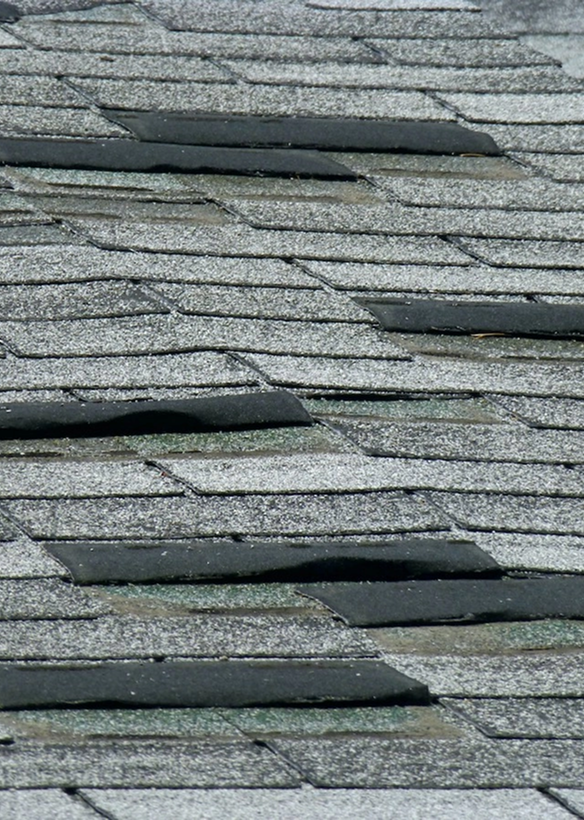
Storm damage on an asphalt shingle roof does not always announce itself clearly. Knowing what to look for after a hailstorm, high winds, or a stretch of heavy rain can help you act before a small problem turns into something much more expensive to fix.
| Damage Type | Common Cause | Where to Look |
|---|---|---|
| Granule loss | Hail impact | Shingle surface, gutters, downspout runoff |
| Lifted or loose shingles | High wind gusts | Roof edges, ridgeline, field shingles |
| Cracked or bruised shingles | Hail, debris impact | Flat shingle faces, mid-roof sections |
| Leaks at gaps | Wind-driven rain, failed flashing | Chimney base, vents, valleys |
| Damaged soffit or fascia boards | Wind-driven rain at the roof edge | Eave line, gutter connection points |
One thing worth knowing for homes in this area: repeated temperature changes through Wisconsin's winters can make existing storm damage more visible over time. A bruised shingle or a slightly loose flashing seal that seemed minor after a summer storm may open up noticeably by spring. Getting a complete roof inspection after any significant weather storm gives you an accurate picture of where your roof actually stands, so repairs stay targeted and manageable.
Shingle Matching for Existing Asphalt Roofs
When only part of your roof needs repair, blending replacement shingles with your existing material takes real attention to color, texture, and wear level. On the mix of newer and established homes throughout Cottage Grove, a well-matched repair holds up visually and protects your roof without requiring a full replacement when the damage does not call for one.
Flashing Repair at Vulnerable Gap Points
Chimneys, vents, and roof valleys are where flashing failures tend to show up first after wind-driven rain or hail, and they are often the source of leaks that do not trace back to the shingles at all. Addressing damaged or lifted flashing directly is a standard part of storm repair, not an afterthought, because a sound shingle field means little if the seal around a chimney base has given way.
Roof Edge and the Gutter Connection’s Structural Integrity
Strong wind and heavy rain put real pressure on the areas where your roof meets the gutters, soffit, and fascia boards, and damage there can push moisture into your home's structure over time. Repairs to these connected areas are handled as part of the overall storm repair when needed, so the roof edge holds up through the next round of Wisconsin weather.
Damage Documentation for Storms
After significant hail or wind, having a clear record of what was found and repaired on your roof matters for your own records and for any conversations with your insurance provider down the road. Badgerland Property Service documents visible storm damage with photo-based evidence and condition notes so you have an accurate account of your roof's condition at the time of repair.
Get Storm Damage Repaired in Cottage Grove, WI
Wisconsin weather does not give roofs a long break between seasons. Hail and wind in summer, snow and temperature changes through winter, and heavy rain in the shoulder months add up over time on any asphalt shingle roof. Catching and repairing damage after a storm keeps your home protected and prevents the kind of gradual deterioration that quietly grows into something far more expensive to address. Acting while repairs are still straightforward is almost always the better outcome for your home and your budget.
Badgerland Property Service is ready to help homeowners in the Cottage Grove area get their roofs back in solid shape after a storm. Whether you noticed something specific after recent weather or just want a thorough inspection to know where things stand, reaching out is a simple first step. There is no pressure and no obligation, just a clear look at what your roof needs and an honest conversation about the right path forward.




Long-lasting Roofs & Trusted Customer Service

Built to Last
Military precision, durable materials, and expert craftsmanship on every project.

No Gimmicks, Just Results
Upfront pricing, clear communication, and a team you can trust.