


 (608) 234-1630 Emergency Call
Wisconsin's Premiere Roofing Company
Storm Damage Roof Repair in Shorewood Hills, WI
5.0 Stars - Based on 151 User Reviews
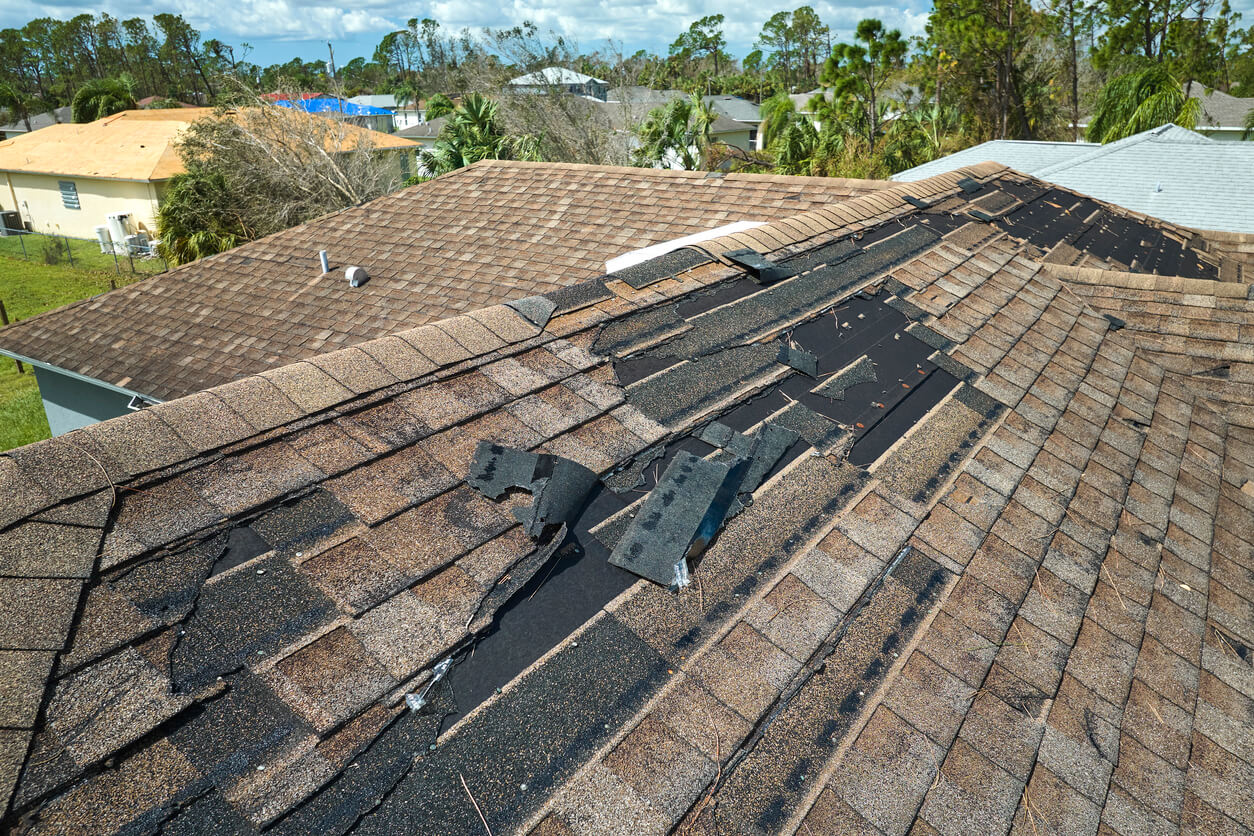
Shorewood Hills sits in the heart of Dane County, where spring storms roll in fast and hit hard. Hail the size of a golf ball, wind gusts pushing 60 mph, and heavy snow in winter create real problems for the roofs in this neighborhood. Most homes here were built between the 1950s and 1980s, which means a lot of aging asphalt shingle roofs that were never designed to shrug off today's storm activity. When hail hits, it often leaves soft bruises beneath the surface that you cannot see from the ground, and that hidden damage is exactly the kind of thing that quietly turns into leaks, rotted roof decking, and water stains on your ceiling.
Getting a professional roof inspection quickly after a storm matters more than most homeowners realize. Damage that looks minor from the curb can involve lifted shingles, cracked granules, and compromised flashing that lets water in every time it rains. Repairs handled early typically take a few hours to a full day, depending on the scale, and they protect your home from the kind of water damage that gets expensive fast.
Badgerland Property Service works in Shorewood Hills and the surrounding Madison area, helping homeowners identify what storm damage actually looks like and what needs to be fixed to keep their roof doing its job through whatever Wisconsin weather comes next.
How Storm Damage Roof Repair Works in Shorewood Hills, WI
Storm damage can affect more than the shingles that are immediately visible. A complete evaluation helps separate repairable damage from cosmetic wear and identifies conditions that need attention before they lead to additional problems.
- Step 1: Complete Storm Damage Assessment
A roofer examines the surface of the roof, flashing, roof decking, gutters, and attic area to identify both visible and less obvious storm-related problems. We look for conditions such as hail bruising and moisture damage that may not be apparent from the ground. Photos document the findings so you have a clear record of the roof's condition. - Step 2: Damage Findings and Repair Recommendation
After the inspection, we explain what we found and what each condition means for the roof. If only a specific section requires repair, we will tell you that rather than recommend unnecessary work. We also distinguish cosmetic granule loss from damage that actually warrants repair. - Step 3: Repair Details and Written Quote
Once the appropriate repair is established, we provide a written quote describing the work to be completed and the materials involved. If local permit requirements apply to the repair, we address those requirements before work begins so the project details are clear from the outset. - Step 4: Storm Damage Repair
Our crew replaces damaged shingles, addresses lifted edges, and repairs or reseals affected flashing as needed. The work is completed according to the requirements of the selected roofing materials, with attention to proper fastening and flashing so the repaired areas can handle Wisconsin's seasonal temperature changes. - Step 5: Completed Repair Review
After the repair is finished, we inspect the completed work and review it with you. We verify that the repaired areas correspond with the agreed-upon work, clean the property, and answer any questions before wrapping up the project.
What Storm Damage Looks Like in Shorewood Hills, WI
Hail damage on an asphalt shingle roof does not always look like obvious cracks or missing pieces. In many cases, the real damage is beneath the surface, where hail impact bruises the asphalt mat and weakens the shingle structure without leaving visible marks. Knowing what to look for helps you act quickly instead of waiting until water is already getting through.
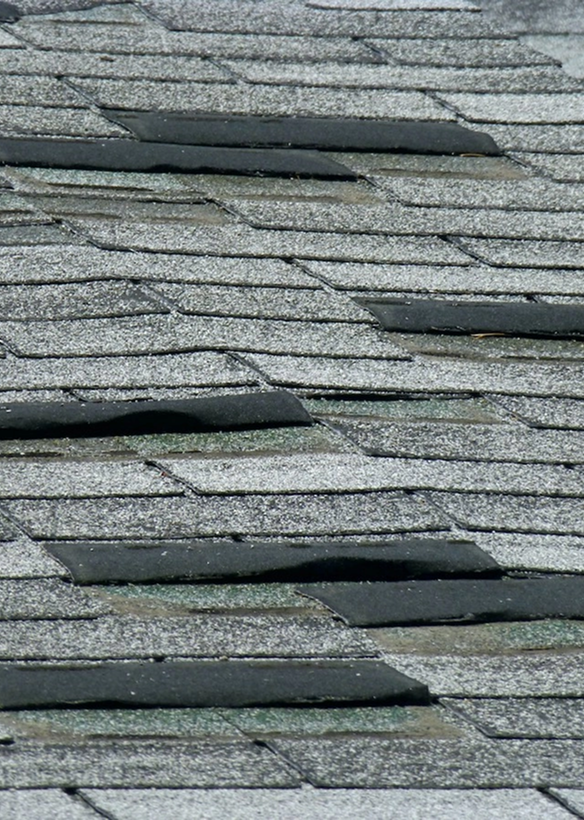
- Soft spots on shingles: Press gently on a shingle after a hailstorm. A spongy or sunken feel points to bruising beneath the surface that weakens the shingle over time.
- Granules in gutters: Finding dark granules collecting in your gutters after a storm is a sign that shingles have taken impact. Granule loss accelerates aging and leaves the asphalt layer exposed to the sun.
- Lifted or curled shingle edges: Wind can break the adhesive seal along shingle edges. Once lifted, those edges no longer shed water properly and allow moisture to reach the roof decking below.
- Damaged or shifted flashing: Metal flashing around chimneys, vents, and valleys takes a beating in high winds. Bent or pulled flashing is a direct path for leaks.
- Moisture in the attic: Staining, soft roof decking, or damp insulation below the surface of the roof can reveal leak paths that are completely invisible from the outside.
Shorewood Hills has no shortage of mature trees, and debris impact from nearby limbs adds another layer of damage that often gets overlooked alongside hail and wind.
Shingle Matching and Material Compatibility
Replacing damaged shingles with materials that closely match your existing roof in weight, thickness, and granule color helps your repair hold up over time and keeps your home looking right. Because older roofs in Shorewood Hills may have discontinued shingle profiles, we source compatible options that seal and perform correctly alongside aged materials.
Flashing Repair and Resealing
Storm-damaged flashing around chimneys, pipe boots, and valleys is one of the most common sources of leaks after high winds, yet it often gets skipped in a basic shingle repair. We reseal or replace compromised flashing as part of the repair so water has no path under the roofing materials at those vulnerable connection points.
The Roof Deck’s Structural Integrity Check and Spot Repair
When shingles lift or crack during a storm, the wooden roof decking underneath can absorb moisture before anyone notices the damage. We check the roof decking while the roof is open and replace soft or deteriorated sections right then, rather than laying new shingles over wood that won't hold fasteners or could rot further.
Debris Clearance and Drip Edge Inspection
Fallen branches and storm debris don't just dent shingles. They can force material under the drip edge and clog the area where your roof meets the gutters. We clear debris from the roofline and check the drip edge for bending or separation so water runs off cleanly instead of backing up at the eaves.
Get Storm Damage Repaired in Shorewood Hills, WI
Wisconsin weather does not give roofs much of a break, and homes in Shorewood Hills deal with more than their share of hail, wind, and heavy snow across the seasons. Older asphalt shingle roofs are especially vulnerable to damage that builds quietly between storms, where a lifted edge or a bruised shingle section can let water reach the roof decking long before you notice anything wrong inside. Getting repairs handled while the damage is still manageable protects your home and keeps costs from growing into something much larger than a straightforward fix.
If you have questions about what your roof needs after a recent storm, Badgerland Property Service is ready to help. A thorough inspection gives you a clear picture of what is actually there, and from that point you can make an informed decision on your own terms. Reach out whenever you are ready.




Long-lasting Roofs & Trusted Customer Service

Built to Last
Military precision, durable materials, and expert craftsmanship on every project.

No Gimmicks, Just Results
Upfront pricing, clear communication, and a team you can trust.