


 (608) 234-1630 Emergency Call
Wisconsin's Premiere Roofing Company
Residential Roof Replacement in Marshall, WI
5.0 Stars - Based on 151 User Reviews
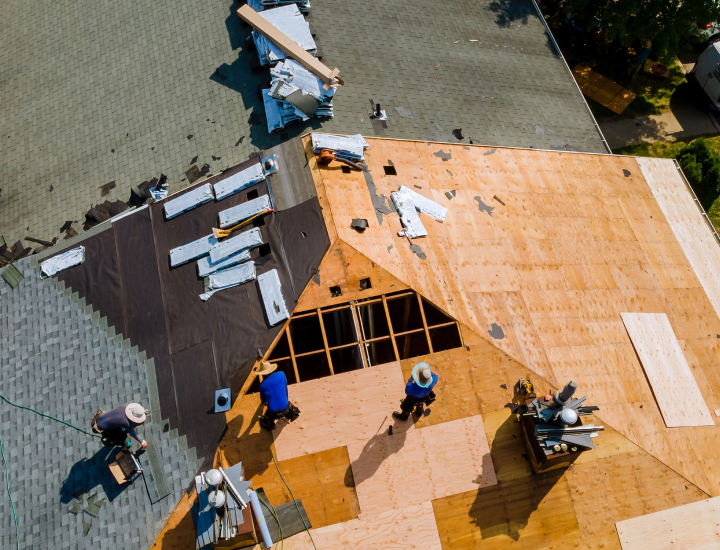
Marshall winters are hard on roofs. Temperatures can swing from well below zero to summer highs in the 80s and 90s, and that kind of back-and-forth puts real stress on roofing materials over time. Add in heavy snow, ice dams, and the hailstorms that roll through southern Wisconsin each spring, and your roof takes a beating year after year. When shingles start to curl, crack, or lose their granules, water finds a way in fast, and what starts as a minor issue can quietly turn into damage that runs much deeper than the surface.
That's where a full roof replacement becomes the right call, not just a repair patch on a roof that's already past its best years. A full replacement gives your home a fresh layer of protection built to hold up against everything Marshall's weather patterns throw at it, including impact-rated shingles that resist hail and algae-resistant materials that stay cleaner longer. Badgerland Property Service works with homeowners across this area who need a roof they can count on, installed by a team that understands the local conditions and knows what materials perform well here.
If your roof is getting close to 15 to 20 years old or you're seeing early warning signs, a thorough inspection can tell you exactly where things stand and whether replacement makes more sense than continued repairs.
How Roof Replacement Works in Marshall, WI
A roof replacement is a big investment, and it's normal to have questions about what happens once you call. Here's exactly what to expect when you work with Badgerland Property Service.
- Step 1: Existing Condition Inspection
We start by taking a close look at your current roof, checking shingles, flashing, underlayment, and roof deck for signs of wear, damage, or failure points. This gives us a clear picture of what's actually going on before we recommend anything. You'll know what we found and why it matters. - Step 2: Honest Recommendation
If repairs can add meaningful years to your roof, we'll tell you that straight out. Replacement is only the right call when the condition of the roof, its age, or the extent of damage makes continued repairs a poor use of your money. We'll walk you through the reasoning so you can make a confident decision. - Step 3: Options, Specifications, and Detailed Quote
Once replacement is confirmed as the right path, we go over material options that are suited to Marshall's weather conditions, including impact-rated and algae-resistant shingles. You'll get a detailed quote that clearly outlines the scale of work with no surprises. We answer questions about materials, timelines, and anything else on your mind. - Step 4: Professional Installation
Our crew handles the full roof tear-off, roof deck inspection, and installation with care for your property throughout the process. We use proper underlayment and ice and water barriers extended beyond code minimums to protect your home. Work is done efficiently and cleaned up completely before we leave. - Step 5: Quality Assurance and Final Walkthrough
Before we call the job done, we do a complete inspection of the finished roof to ensure everything is installed correctly and sealed tight. We walk you through the work so you can see the results firsthand. Any questions you have at that stage, we're there to answer them.
Roofing Material Options in Marshall, WI
Choosing the right shingle for your home is more than a matter of appearance. In Marshall, the combination of spring hailstorms, humid summers, and hard winters means the materials under your feet do real work every single day. Understanding your options helps you pick a roof that holds up over the long run.
| Material Feature | Why It Matters in Marshall | What to Look For |
|---|---|---|
| Impact resistance | Hailstorms are common in southern Wisconsin and can strip granules from standard shingles quickly | Class 4 rated asphalt shingles (UL 2218) |
| Algae resistance | Humid summers promote algae and moss buildup, dulling appearance and shortening shingle life | Algae-resistant shingles with copper-based granules |
| Underlayment quality | Ice damming is a real concern here due to local attic insulation patterns and eave geometry | Synthetic underlayment with extended ice and water barrier coverage |
| Wind uplift rating | Spring thunderstorms bring strong winds that can lift poorly fastened shingles | High-wind-rated shingles with corrosion-resistant flashing at valleys |
| Cold-temperature flexibility | Repeated temperature changes stress rigid shingles and cause cracking over time | Asphalt shingles rated for cold-weather installation and flexibility |
Many insurance providers in hail-prone areas like Marshall also recognize Class 4 rated products, which can influence your material choice beyond durability alone. Talking through these options with your contractor before the project starts helps ensure your new roof is built for the conditions your home actually faces.
Ice & Water Barrier Coverage
In Marshall, ice dams form regularly along eaves when warm attic air melts snow, and refreezing creates a backup behind the dam. We install self-adhering ice and water barriers that extend well beyond the minimum code requirement, covering vulnerable areas at eaves, valleys, and around gaps to keep water from working its way under the shingles.
Roof Deck Repair & Replacement
Once the old shingles are stripped, we inspect every square foot of your roof deck for soft spots, rot, or structural damage before a single new shingle goes on. Any compromised roof decking gets replaced at that stage, because a strong, solid deck is what gives your new roof the stable base it needs to last.
Flashing Installation at All Gaps
Chimneys, vents, skylights, and roof-to-wall transitions are common spots where water finds its way in if flashing is old, improperly sealed, or corroded. We install corrosion-resistant flashing at every gap and transition point, using high-temp self-adhering membrane at valleys to protect the areas most exposed to wind-driven rain and snowmelt.
Ventilation Check & Attic Airflow
Proper attic ventilation does more than regulate temperature. It directly affects how long your new roof lasts by reducing moisture buildup and limiting the conditions that lead to ice dam formation in winter. During your replacement, we verify that your attic's net free ventilation area meets the standards recommended for Marshall homes, and we flag any issues that need attention before the new roof goes on.
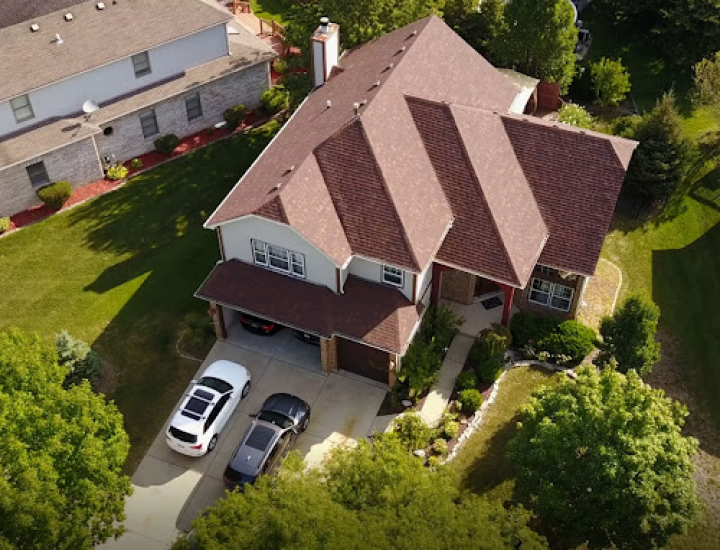
Plan Your Roof Replacement in Marshall, WI
Wisconsin winters don't ease up, and Marshall roofs feel every bit of it. Repeated temperature changes, heavy snow, and spring hail seasons add up over the years, and a roof that's been holding on through all of that eventually reaches a point where replacement is simply the smarter investment. Getting ahead of that point means you're choosing the timing on your terms, not scrambling after a leak has already caused damage inside your home.
Badgerland Property Service is here to help you figure out where your roof stands and what the right next step looks like for your home. Whether you're seeing early warning signs or just want a straight answer about how many years you have left, reaching out is a good place to start. There's no pressure, just honest information from a team that knows what Marshall roofs go through.
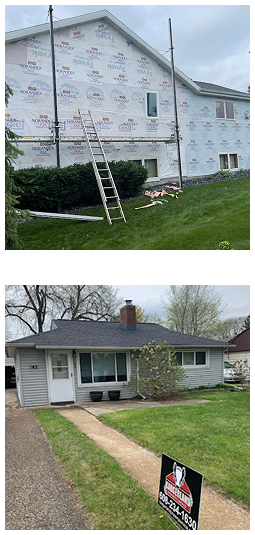
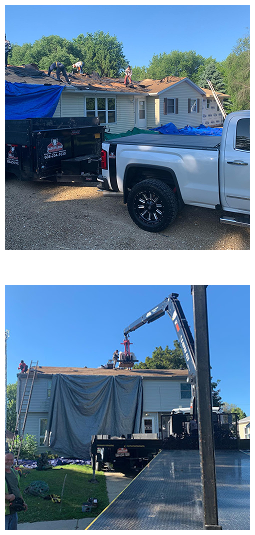
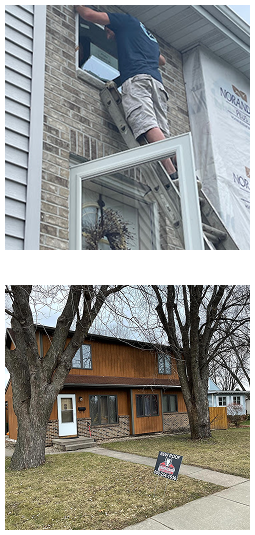
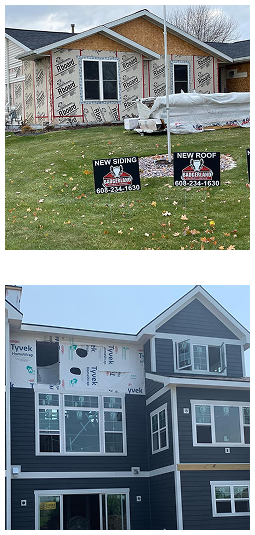




Long-lasting Roofs & Trusted Customer Service

Built to Last
Military precision, durable materials, and expert craftsmanship on every project.

No Gimmicks, Just Results
Upfront pricing, clear communication, and a team you can trust.