The Complete Homeowner’s Guide to Asphalt Shingle Roofing Services in Madison, WI
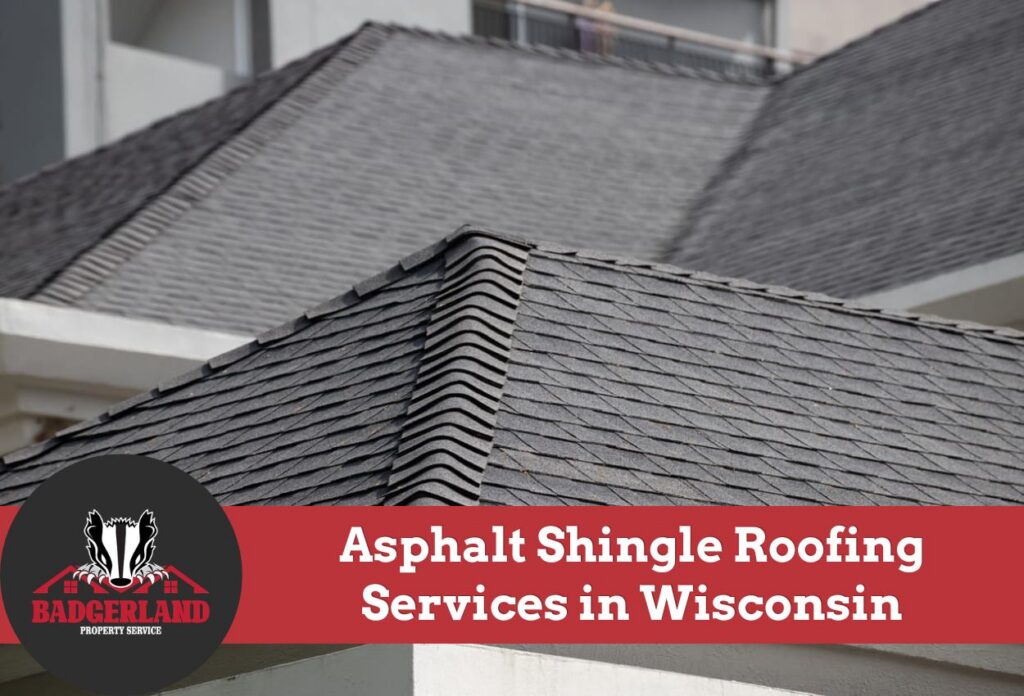

Asphalt shingle roofing services cover everything from minor repairs and full replacements to material selection, ventilation upgrades, and permit compliance. In Madison, WI, where roofs face hail, heavy snow, and dramatic temperature changes, hiring a contractor with local experience is important. Architectural shingles make up 65% to 70% of all residential installations in the area because they hold up better against the specific conditions that wear Madison roofs down.
Many Madison homes were built between 1950 and 1980. That means a large number of local roofs are dealing with aging materials, granule loss, and seal breakdown caused by years of harsh winters and rainy summers.
How Does Wisconsin’s Climate Affect Asphalt Shingle Roofs?
Madison’s climate provides real stressors to asphalt shingle roofs, including heavy snow, frequent hail, high humidity, and extreme temperature swings. Architectural shingles last 20 to 30 years here, while 3-tab shingles often reach the end of their life in 15 to 20 years. Temperatures in Madison range from around -10 degrees Fahrenheit in winter to 85 degrees Fahrenheit in summer, putting shingles through repeated expansion and contraction.
| Climate Stressor | Average Madison Measurement | What It Does to Asphalt Shingles |
|---|---|---|
| Hail | 23.5 hail events per year | Fractures the mat layer, knocks off granules, exposes asphalt to UV damage |
| Snow load and ice | 51.8 inches of snowfall annually | Adds structural weight; standing ice forces water under shingles at the eaves |
| Temperature changes | Difference of nearly 95 degrees Fahrenheit between seasons | Breaks down seal strips, cracks membranes, and loosens shingle adhesion over time |
| Humidity | 72% annually | Promotes algae and moss growth, speeding up granule loss and surface decay |
| Severe weather days | 20 to 30 per year | Repeated high-wind and storm events lift shingle edges, allowing moisture under shingles |
Temperature changes between seasons are especially damaging. When snow and ice melt during the day and refreeze overnight, that cycle pushes water into every small crack in the shingle surface, widening them, degrading the seal strip underneath, and eventually allowing water into the roof deck. Ice dam formation is one of the most direct results of this pattern, and it can cause water damage deep inside the home well before a homeowner notices anything from outside.
Knowing these stressors helps homeowners choose the right shingle grade, plan inspections at the right time of year, and catch damage before small problems become expensive replacements.
What Types of Asphalt Shingles Are Best for Wisconsin Homes?
Architectural shingles are the best fit for most Madison homes. They dominate 65% to 70% of local installations because they outperform 3-tab shingles in wind resistance, temperature durability, and overall lifespan. Here is how the three main asphalt shingle types compare across the factors that matter most in Wisconsin’s climate.
| Shingle Type | Avg. Cost per Square Foot | Lifespan in Wisconsin | Wind Resistance | Hail Resistance | Best Use Case |
|---|---|---|---|---|---|
| 3-Tab | $3.50 to $7.50 | 15 to 20 years | 60 to 70 mph | Basic, no UL 2218 rating | Low-budget short-term replacement |
| Architectural (Laminate) | $4.50 to $10 | 20 to 30 years | Up to 110 mph (ASTM D3161 Class F) | Moderate | Most Madison homes, best balance of cost and durability |
| Impact-Resistant / Premium | $6 to $12.50+ | 25 to 40 years | 130+ mph | Class 4 impact resistance per UL 2218 | Hail-prone neighborhoods, homeowners pursuing insurance discounts |
Architectural shingles pull ahead of 3-tab in Wisconsin conditions for two practical reasons: their laminated, multi-layer construction resists shingle lift during high winds, and their heavier mat holds up better against repeated temperature changes that crack lighter shingle membranes over time. Atlas ProLam® shingles are a strong example, as they carry an ASTM D3161 Class F rating for 130 mph wind resistance, making them a widely recommended choice by local contractors for Madison rooftops.
For homeowners in areas that see frequent hail, upgrading to an impact-resistant shingle rated under UL 2218 is worth the higher upfront cost, and many insurance carriers offer premium reductions for Class 4 impact-resistant roofs.
How Much Does An Asphalt Shingle Roof Replacement Cost in Wisconsin?
A full asphalt shingle roof replacement in Madison, WI, before labor costs, can typically range from around $5,500 to $18,500 or more depending on home size, shingle type, and project scope. Tear-off, underlayment, flashing, and disposal are included in most standard contractor quotes. Here is how those costs break down across the most common scenarios local homeowners face.
| Shingle Type | Home Size | Estimated Cost Range | Typically Included | Common Add-Ons |
|---|---|---|---|---|
| 3-Tab | 1,000 to 1,500 sq ft | $5,500 to $7,500 | Tear-off, underlayment, drip edge, disposal, permits | Ice and water shield, ventilation upgrades |
| 3-Tab | 1,500 to 2,500 sq ft | $7,500 to $10,500 | Tear-off, underlayment, drip edge, disposal, permits | Ice and water shield, skylight flashing |
| Architectural | 1,000 to 1,500 sq ft | $7,000 to $10,000 | Tear-off, underlayment, flashing, disposal, permits | Ice and water shield, attic ventilation upgrades |
| Architectural | 1,500 to 2,500 sq ft | $10,000 to $14,500 | Tear-off, underlayment, flashing, disposal, permits | Deck board repair, skylight flashing |
| Architectural | 2,500+ sq ft | $14,500 to $18,000 | Tear-off, underlayment, flashing, disposal, permits | Structural deck repair, ventilation system overhaul |
| Impact-Resistant / Premium | 1,500 to 2,500 sq ft | $15,000 to $18,500+ | Tear-off, underlayment, flashing, disposal, permits | Ice and water shield, ridge vent upgrades |
Several cost variables are specific to the Madison market. Bungalows and cottages, which are common among the city’s 1950 to 1980 builds, often have steeper pitches that lead to additional fees for safety equipment. Older homes often have deteriorated deck boards from years of temperature changes and ice dam damage, and the cost of deck repair ranges widely based on the level of decay, deck size, and materials used.
The Wisconsin Uniform Dwelling Code states that shingle roofs that have a slope of 4:12 or less need to have an ice and water shield to serve as ice dam protection. While ice and water shields can be self-assembled, the best choice to assure your home’s safety is to have a professional contractor perform the installation. Badgerland Property Service offers free estimates so Madison homeowners can get a project-specific number before committing to anything, a straightforward first step for anyone planning a roof replacement this season.
Repair vs. Replacement
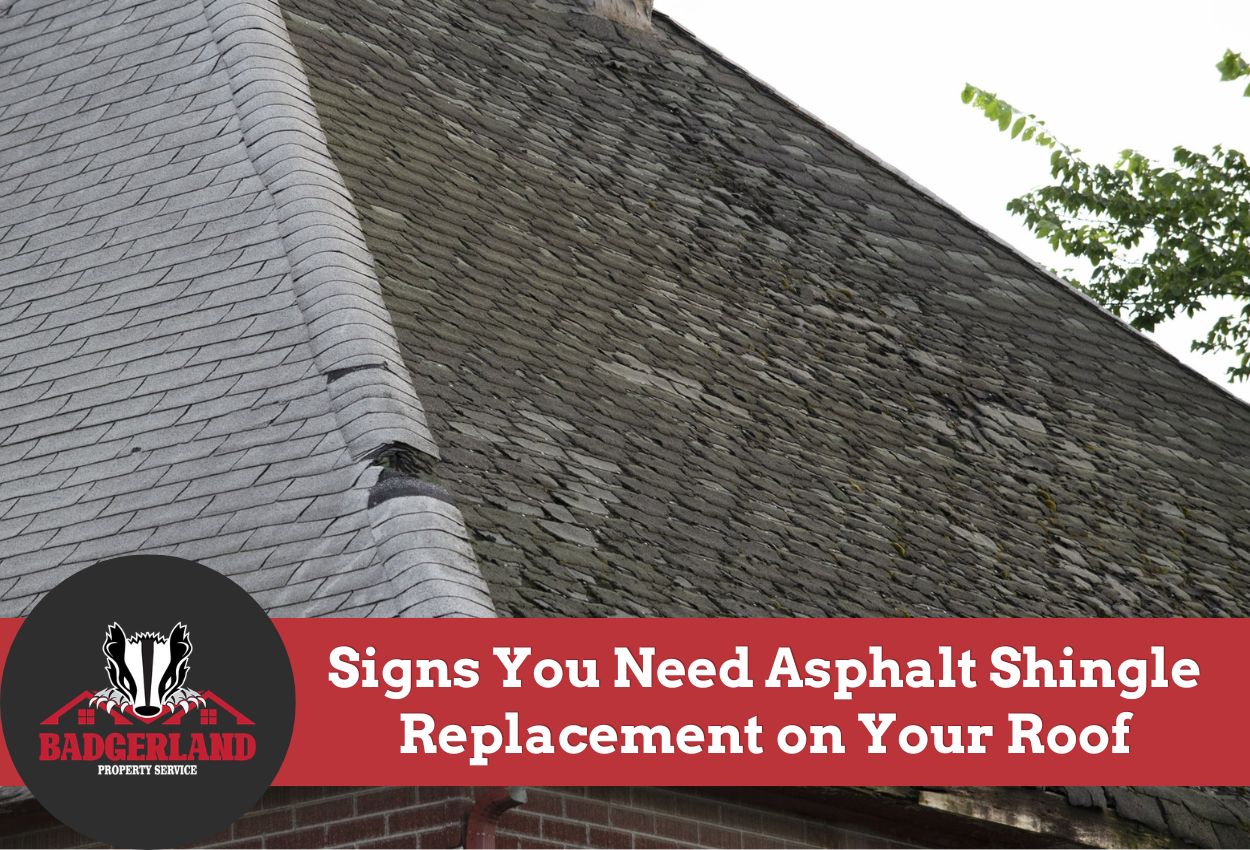
Fewer than five missing shingles, a single localized leak, and a roof under 15 years old with a solid structure all point toward repair. Widespread granule loss, damage across more than 30% of the roof’s surface, and a roof older than 20 to 25 years typically mean replacement is the more cost-effective path.
Conditions That Point Toward Repair
- Isolated shingle damage: Fewer than five missing or cracked shingles with no underlying deck damage can often be patched without replacing the full roof.
- Single leak point: One localized leak, especially near a flashing seam or pipe boot, is usually a repair job when the surrounding shingles and deck remain intact.
- Roof under 15 years old: A roof with fewer than 15 years of service and no structural red flags still has enough useful life left to justify targeted repairs over full replacement.
- Minor hail impact: Small granule loss from a single hail event, with no cracked mat layer or exposed asphalt visible, may only require spot treatment, confirmed by a professional inspection within 48 hours of any event involving stones exceeding 1 inch.
Conditions That Indicate Full Replacement
- Widespread granule loss: Granules collecting in gutters across the full roofline means your shingles have lost their UV protection and will require a roof-wide fix.
- Multiple leak points: Two or more separate interior water stains point to systemic failure that repairs cannot reliably address long-term.
- Age over 20 to 25 years: Architectural shingles last 20 to 30 years in Wisconsin conditions. A roof approaching or past that window is likely near the end of its serviceable life.
- Storm damage across 30% or more of the surface: Damage covering more than 30% of the roof area makes full replacement more cost-effective than targeted repairs.
- Decking rot or sagging: Soft spots, visible sags, or rotted deck boards mean structural damage that requires full tear-off regardless of shingle condition.
Red Flags to Check Before Calling a Contractor
- Curling or buckling shingles: Visible from the ground along roof edges, curling or buckling shingles are a sign of age-related adhesion failure or moisture trapped beneath the shingle layer.
- Daylight in the attic: Any light visible through the roof deck from inside the attic means there are gaps large enough for water to leak through.
- Granules in gutters: A heavy buildup after rain or after any hail event with stones exceeding 1 inch is worth flagging for professional review.
- Interior water stains: Brown or yellow ceiling stains, especially near exterior walls, indicate active or recent moisture leakage.
- Ice dam evidence at eaves: Ice buildup along the roof edge in winter often signals deeper problems with attic insulation or ventilation that quicken shingle deterioration from below.
In Madison, hail events and ice dam damage often look minor from the ground but reveal systemic failure once a contractor inspects the mat layer and deck up close. Getting a professional assessment before committing to repair alone is the most important step a homeowner can take, especially after any storm involving hail stones larger than 1 inch.
What Does an Asphalt Shingle Roof Replacement Look Like in Madison?
A full asphalt shingle roof replacement in Madison follows eight distinct phases, and from first inspection to final cleanup, most single-family homes are completed within 1 to 3 days of installation. Permit approval from the City of Madison Building Inspection Division adds 3 to 7 business days before work can begin. Knowing what each phase involves helps homeowners plan ahead and spot the difference between a contractor cutting corners and one doing the job right.
| Phase | What Happens | Typical Timeline |
|---|---|---|
| 1. Inspection & Estimate | Contractor inspects deck, flashing, attic ventilation, and shingle condition; written estimate provided | 1 to 2 days |
| 2. Permit Application | Licensed contractor submits permit to City of Madison Building Inspection Division | 3 to 7 business days for approval |
| 3. Material Delivery & Staging | Shingles, underlayment, ice and water shield, and flashing delivered and staged on-site | 1 day before installation |
| 4. Tear-Off & Deck Inspection | Old shingles removed; decking inspected for rot, soft spots, and structural damage | Half to full day |
| 5. Underlayment & Ice and Water Shield Application | Ice and water shield installed at eaves and valleys; synthetic underlayment applied across remaining deck | Included in installation day |
| 6. Shingle Installation | Shingles installed per International Residential Code (IRC) Chapter 9 requirements; double underlayment for slopes between 2:12 and 4:12 | 1 to 2 days depending on home size |
| 7. Flashing, Ridge Cap & Ventilation | Step and counter flashing installed; ridge cap installed; ventilation confirmed to support R-49 to R-60 attic insulation | Included in installation day |
| 8. Final Inspection & Cleanup | City inspection completed; all debris removed; magnetic sweep for nails performed | 1 day after installation |
Attic ventilation is not an optional upgrade, as it works as part of the roofing system itself. Without proper airflow supporting R-49 to R-60 insulation levels, heat and moisture build up beneath the deck and shorten shingle life, regardless of shingle quality. Working with a licensed contractor who pulls permits is the single most reliable way to ensure Wisconsin’s IRC Chapter 9 requirements are met and that your roof passes final inspection without issues. Badgerland Property Service handles the permit process from start to finish, so Madison homeowners have one less step to manage on their own.
When Is the Best Time of Year to Schedule Asphalt Shingle Roof Replacement in Wisconsin?
April through October is the optimal installation window for asphalt shingle roof replacement in Madison, with spring and fall offering the most favorable conditions for full replacements. Installations should not be scheduled in winter as shingle adhesion fails below 40 degrees Fahrenheit, sealant strips won’t activate properly in cold temperatures, and most manufacturers void warranties for cold-weather installations. Book fall replacements by August, as contractor schedules fill fast with homeowners rushing to complete work before the first snow.
| Category | Spring (Apr–May) | Summer (Jun–Aug) | Fall (Sep–Oct) | Winter (Nov–Mar) |
|---|---|---|---|---|
| Installation Window Preferability | High, temperatures above 40 degrees Fahrenheit support shingle adhesion | High, long daylight hours allow full-day crews | High, ideal temperature range before dropping | Low, cold temperatures prevent adhesion and void most warranties |
| Key Advantages | Catch winter damage early; address ice dam effects before moisture spreads | Longest daylight hours; dry stretch windows are common | Best timing for replacement before snow season; contractor availability still good in September | No meaningful advantages for shingle installations |
| Key Risks | Lingering wet conditions; late frost possible through April | Peak time of year for hail; monitor forecasts closely | Scheduling rush in October; limited flexibility if delays occur | Sealant strips won’t bond; deck ice makes safe installation nearly impossible |
| Recommended Use | Post-winter inspection; targeted repairs; ice dam damage assessment | Full replacement; new construction; ventilation upgrades | Full replacement; pre-season preparation before snow arrives | Interior inspection only; plan and estimate for spring work |
Spring appointments in April and May work well for inspecting temperature-change damage and repairing what winter left behind. Fall, particularly September, is the strongest window for full replacements because temperatures remain stable, materials seal properly, and the finished roof has time to settle before snow arrives. Use winter months to get estimates and book early, so the replacement is scheduled before the pre-winter rush makes availability low.
How Long Do Asphalt Shingles Last in Wisconsin and What Extends Their Lifespan?
Architectural asphalt shingles last 20 to 30 years in Madison’s climate, while 3-tab shingles typically run 15 to 20 years. There are steps homeowners can take to make sure that they’re getting the most out of their roof’s lifespan.
What Shortens a Roof’s Lifespan in Wisconsin
The overall lifespan of asphalt shingle roofs in this region is heavily influenced by several factors.
- Shingle Quality and Impact Resistance Rating: Products without hail-specific ratings wear faster in an environment that sees roughly 23.5 hail events per year.
- Attic Insulation and Ventilation: Without attic insulation in the R-49 to R-60 range backed by proper ridge and soffit ventilation, heat and moisture build up beneath the deck and weaken shingles from below.
- Installation Quality: Improper nailing patterns, missing drip edge, and undersized underlayment can all lead to failure years before a roof should need replacement.
- Algae and Moss: Madison’s summer humidity, which averages at 72%, feeds algae growth that lifts granules and shortens surface life.
- Annual Inspection Habits: Most small problems caught early cost far less to fix than unchecked damage left to spread.
Why Regular Inspections Are Worth the Cost
A professional inspection typically runs around $300 annually. A premature full replacement, one triggered by putting off maintenance rather than the natural end of life, can reach $15,000 or more. Spending $300 a year to protect a $15,000 investment is one of the clearest decisions a homeowner can make to save money. Catching a failing flashing seal or a small area of lifted shingles before water reaches the deck keeps repair costs manageable and keeps the roof on track for its full 15- to 40-year lifespan.
What Wisconsin Permits and Code Requirements Apply to Asphalt Shingle Roof Replacement?
Wisconsin does not have a state-specific roofing license, but roofing contractors must hold a Dwelling Contractor certification with the Wisconsin Department of Safety and Professional Services (DSPS). Any roof replacement in Madison requires a permit pulled through the City of Madison Building Inspection Division before work begins. That permit process typically adds 3 to 7 business days before installation can start, which is why reputable contractors build it into the project timeline from the start.
- IRC Chapter 9 compliance: All roof assemblies in Madison must meet IRC Chapter 9 requirements, which govern materials, installation methods, and minimum performance standards for roof systems.
- Minimum slope requirements: Standard asphalt shingle installations require a minimum 2:12 pitch. Roofs with a pitch between 2:12 and 4:12 must have a double underlayment applied across the full deck.
- Wind resistance rating: Shingles must meet ASTM D3161 Class F wind resistance, a standard that matters in a region that sees 20 to 30 severe weather days annually, including high-wind storms.
- Hail impact rating: Products rated to UL 2218 for hail impact resistance are required to meet code and hold up in a market that averages 23.5 hail events per year.
- Snow load compliance: Roof structures must meet Wisconsin’s IRC-based local amendments for snow load, accounting for the average 51.8 inches of annual snowfall Madison receives.
- Permit costs included in estimate: Any contractor who asks homeowners to pull their own permit, or who leaves permit costs out of the written estimate, is a red flag. Legitimate contractors handle the permit and include the cost upfront.
Unpermitted roofing work can void manufacturer warranties, create problems when reselling, and leave the homeowner legally liable for any resulting damage or code violations. Always ask your contractor to confirm in writing that they will pull the required permit through the City of Madison Building Inspection Division before work begins.
How Do You Choose the Best Asphalt Shingle Roofing Contractor in Wisconsin?
The best asphalt shingle roofing contractors in Wisconsin carry a Dwelling Contractor certification, pull permits without being asked, and have verifiable local references. A structured checklist makes it easier to tell a qualified contractor from a storm-chaser who shows up after a hail event and disappears before the warranty matters.
- Verify Dwelling Contractor certification: Wisconsin requires contractors performing residential work for a one- or two-family residence to hold a current certification with the DSPS. Ask for the registration number and confirm it before signing anything.
- Confirm liability insurance and workers’ compensation: Request certificates for both. If a worker is injured on an uninsured job, the homeowner can be held responsible.
- Ask for Madison-area references and project history: A contractor who has worked in Madison understands local code requirements, seasonal scheduling, and the specific wear patterns caused by an average of 23.5 hail events per year. Regional storm-chasers typically cannot provide local references.
- Look for manufacturer certifications: Credentials like Atlas PRO+™ Platinum status indicate the contractor has met training and installation standards that make them the best choice in the market.
- Require a written, itemized estimate: The estimate should list materials, labor, permit costs, underlayment type, and disposal fees separately. Specific estimates allow the homeowner to know exactly what they’re paying for.
- Review warranty terms in writing: Ask for both the manufacturer’s product warranty and the contractor’s workmanship warranty before work begins. A standard architectural shingle typically carries a manufacturer’s limited lifetime warranty, but workmanship coverage varies widely by contractor.
- Confirm the contractor pulls the permit: Any contractor who asks the homeowner to pull their own permit, or leaves permit costs out of the estimate, is a red flag. Reputable contractors handle this step as part of the project.
Watch for door-to-door contractors that appear right after hail storms, pressure you to sign a same-day contract, request full payment upfront, and have no verifiable local address or reviews. Getting a written estimate costs nothing and is the lowest-risk first step toward hiring a qualified contractor. Badgerland Property Service offers free estimates so Madison homeowners can compare their options without any pressure to commit.
Does Homeowner’s Insurance Cover Asphalt Shingle Roof Damage in Wisconsin?
Hail, wind, and storm damage are typically covered under a standard HO-3 homeowners insurance policy, but wear, age, and maintenance neglect are not. This makes it important to have documented proof of storm damage, especially in Madison, where roughly 23.5 hail events occur every year.
How the Claims Process Works
After a storm, document everything before any repairs happen. Take clear photos of damaged shingles, dented gutters, and any debris on the roof. Then call your insurer to open a claim and schedule an adjuster visit. Request that a contractor inspect the roof alongside the adjuster. A second set of experienced eyes can catch damage that adjusters miss, which directly affects how much the insurer pays out. Also ask your insurer whether your policy pays actual cash value (ACV) or replacement cost value (RCV). An ACV policy factors in depreciation, so a 15-year-old roof may only cover a fraction of replacement costs. An RCV policy pays the full cost to replace the roof with comparable materials, making it the stronger coverage option for Wisconsin homeowners.
The “Free Roof” Scam
After a hail event in Madison, door-to-door contractors sometimes offer to waive the homeowner’s deductible in exchange for signing a contract. That offer is insurance fraud under Wisconsin law, and both the contractor and the homeowner can face legal consequences. No reputable contractor will make that offer. Working with a licensed, locally established contractor protects homeowners from fraud risk and ensures the claim process stays on solid legal ground. Badgerland Property Service works alongside homeowners and their adjusters to document hail damage roof repair accurately, so claims reflect real conditions.
What Is the ROI of Asphalt Shingle Roof Replacement for Madison Homeowners?
Asphalt shingle roof replacement returns an estimated 60% to 70% of its cost at resale, making it one of the stronger home improvement investments for getting your money back when a house sells. That range holds for mid-range projects and does not account for the added negotiating power a new roof gives sellers during inspection, which can be just as valuable as the dollar-for-dollar return.
| Scenario | Financial Impact |
|---|---|
| Interior water damage from delaying replacement | Ceiling, insulation, and drywall repairs: $1,000 to $5,000+ |
| Mold remediation from delaying replacement | Professional remediation: $2,000 to $10,000 depending on spread |
| Structural deck decay from delaying replacement | Decking replacement can add $1,500 to $5,000 to final job cost |
| Buyer inspection failure from delaying replacement | Price reductions or deal failure; lost sale opportunity |
| Controlled budget from replacing on schedule | Predictable cost; no emergency markup or built-up damage |
| Warranty protection from replacing on schedule | Limited lifetime manufacturer coverage on materials |
| Energy efficiency gains from replacing on schedule | Improved attic ventilation reduces heating and cooling costs |
A large number of Madison homes were built between 1950 and 1980. Buyers and inspectors in this market routinely check roof age and condition on properties in that era, so a new roof removes a common negotiation point and shows that the home has been maintained. Roof replacement is not just a cost; it is a financial decision with measurable upside at resale, on insurance claims, and in avoided damage costs. Getting a free estimate from Badgerland Property Service is the fastest way to put real numbers behind that decision.
Asphalt Shingle Roofing Services in Madison, WI: What to Expect From a Local Company
A professional Madison roofing company should cover everything from the first call to final cleanup, not just the installation itself. That means responsive communication, a written estimate that itemizes materials, labor, permit costs, and disposal fees, plus permit management handled entirely by the contractor through the City of Madison Building Inspection Division. Storm-chasers who appear after hail events and pressure homeowners to sign quickly rarely offer any of that structure.
Proximity matters more than most homeowners expect. A contractor working in Madison regularly understands the city’s permit process and the wear patterns caused by an average of 23.5 hail events per year. That local knowledge translates directly into faster response for emergency storm damage services and installations that meet Wisconsin’s IRC-based code requirements.
Requesting a free estimate is the first step with any Wisconsin asphalt shingle roofing company. It costs nothing, has no strings attached, and gives homeowners a written baseline for comparing contractors fairly. Badgerland Property Service offers free estimates so Madison homeowners can get real numbers before making any decisions.
Ready to Protect Your Home? Get a Free Estimate for Asphalt Shingle Roof Replacement in Madison, WI
Madison homeowners dealing with an average of 23.5 hail events per year, hard winters, and homes built between 1950 and 1980 need a roofing contractor who knows this market, not one passing through after a storm. Badgerland Property Service provides free, no-obligation estimates so you get real numbers, permit-compliant project planning, and manufacturer warranty coverage before committing to anything.
Every estimate includes materials, labor, permit costs, and disposal fees in writing, backed by local Madison expertise and workmanship coverage.
Get your free roofing estimate
Not ready to schedule? Learn more about asphalt shingle roofing services.