


 (608) 234-1630 Emergency Call
Wisconsin's Premiere Roofing Company
Residential Roof Replacement in Baraboo, WI
5.0 Stars - Based on 151 User Reviews
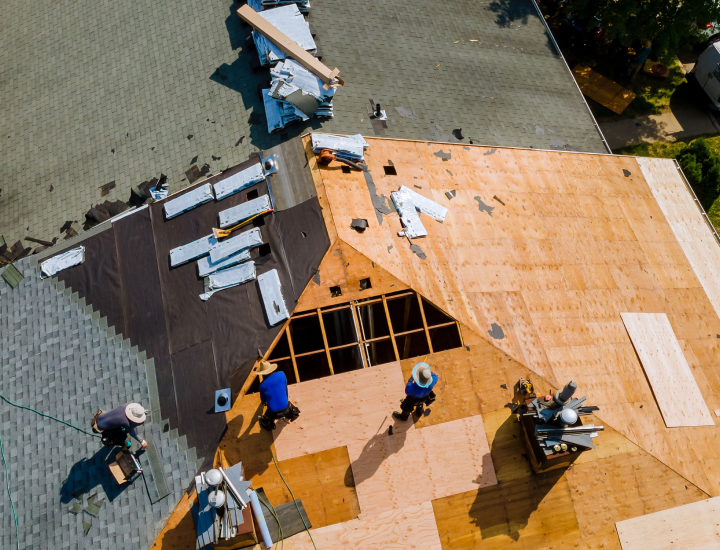
Baraboo winters are hard on roofs. Temperatures regularly drop into the single digits, snow accumulates steadily through the season, and the repeated cycle of melting and refreezing puts real stress on shingles, edges, and flashing. When meltwater backs up under shingles and has nowhere to go, leaks follow. Over time, that kind of wear shortens the life of even a well-installed roof, and older homes in the area are especially exposed. Many of Baraboo's established neighborhoods are filled with single-family homes that have been through decades of that weather, and a roof that made it through the last 20 winters may not make it through the next 5.
Replacing a roof in this area is not just about swapping old shingles for new ones. It means looking at the full picture: the roof decking underneath, the ventilation in the attic, the detailing at eaves and valleys where ice and water tend to concentrate. Baraboo also requires a building permit for roofing work and limits installation to one existing layer before tear-off is required, which makes a proper inspection of what is underneath an important part of the process.
Badgerland Property Service works with homeowners in Baraboo who want a replacement done right, with the right materials for Wisconsin winters and the attention to detail that keeps a new roof performing well for years to come.
How Roof Replacement Works in Baraboo, WI
A roof replacement involves more than choosing new shingles. The existing roof, underlying conditions, installation requirements, and finished work all need to be addressed before the project is complete.
- Step 1: Evaluate the Existing Roof
We inspect the shingles, flashing, eaves, valleys, roof decking, and attic ventilation to identify deterioration or conditions that could affect a replacement. We also consider the existing layer count because it can determine whether another layer is appropriate or a full tear-off is necessary. These findings establish the starting point for the project. - Step 2: Determine Whether Replacement Is Necessary
The inspection results tell us whether repair or replacement is the more appropriate solution. If the roof still has useful service life and localized repairs can reasonably address the problems, we explain that option. When deterioration, roof decking concerns, or the existing roofing configuration warrant replacement, we explain those reasons before moving forward. - Step 3: Select Materials and Review the Project Details
We discuss roofing materials and installation components appropriate for Baraboo's winter conditions, including underlayment, perimeter detailing, and ventilation. The written quote identifies the planned work and materials so you have a clear understanding of the project before approving it. - Step 4: Remove the Existing Roof and Install the New Materials
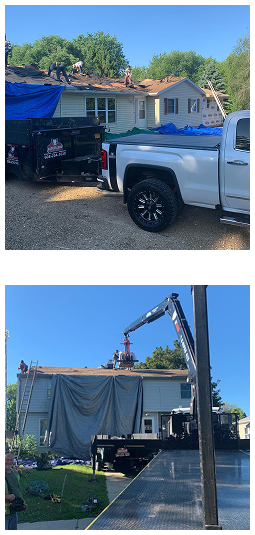
Required permitting through Baraboo is addressed before installation, followed by tear-off and an inspection of the exposed roof decking. Any necessary repairs are completed before the new roofing is installed. Scheduling is planned around suitable weather and temperatures so asphalt shingles have appropriate conditions for sealing. - Step 5: Review the Completed Roof
After installation, we inspect the finished roof and review the completed work with you. We cover the areas addressed during the project, explain any maintenance considerations, and make sure you understand how the new roof was installed before the job is closed out.
Roof Replacement Conditions & Timing in Baraboo, WI
Wisconsin weather gives your roof a real workout every year, and Baraboo homes face a specific set of conditions that make material selection, detailing, and scheduling more important than they might be in milder regions. Understanding what drives those decisions helps you plan a replacement that holds up over the long run.
| Local Condition | Why It Matters | What Addresses It |
|---|---|---|
| Snow accumulation and weight | Drifted snow concentrates at valleys, dormers, and roof transitions | Proper slope, geometry, and the roof deck’s structural integrity |
| Temperature changes | Repeated thawing and refreezing stresses shingles and edges over time | Quality underlayment and sealed edge detailing |
| Ice dam risk at eaves | Meltwater backs up under shingles when attic heat escapes unevenly | Ice and water protection layers, improved attic ventilation |
| Older roof decking and layering | Many Baraboo homes have aging decks or prior-layer issues hidden beneath the surface | Full tear-off and roof deck inspection before new installation |
| Installation timing | Cold temperatures reduce shingle seal performance and disrupt drying conditions | Scheduling during late spring through early fall |
Each of these factors connects directly to how your replacement is planned and installed. Getting them right from the start is what separates a roof that performs well for decades from one that develops problems after a few hard winters.
Ice & Water Protection at Vulnerable Edges
Baraboo's repeated thawing and refreezing makes eaves, valleys, and roof transitions prime spots for meltwater to back up and work under shingles. A self-adhering ice and water protection layer installed at these edges adds an important barrier that standard underlayment alone does not provide.
Attic Ventilation Corrections
Poor attic ventilation is one of the main reasons ice dams form and shingles age faster than they should. When ventilation is corrected as part of your replacement, heat escapes more evenly, which reduces the meltwater cycle at your eaves and helps your new shingles last longer.
Full Roof Deck Preparation Before New Shingles Go Down
Once the old roofing is removed, the roof decking is inspected for soft spots, rot, and any damage left behind by prior layers or past leaks. Any sections that are compromised are repaired or replaced before a single new shingle goes down, so your new roof is built on a solid base from the start.
Flashing Replacement at Roof Gaps & Transitions
Chimneys, vents, skylights, and the points where different roof planes meet are common leak sources, especially on older Baraboo homes where original flashing has been through decades of temperature changes. Replacing or resealing flashing at these points is included in the replacement so water has no easy entry points to work with.
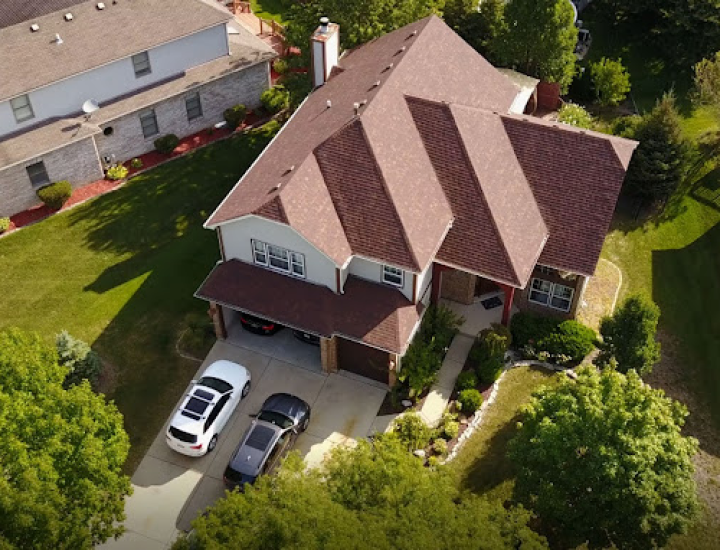
Replace Your Baraboo, WI Roof With Confidence
Baraboo puts roofs through a lot over the course of a year. Heavy snow, hard freezes, and wet seasons add up, and a roof that is already showing its age tends to give out faster than homeowners expect. Replacing it on your own timeline, before problems work their way inside, protects your home and keeps repair costs from growing into something much bigger. Late spring through early fall is the best window to get it done, when temperatures support proper material sealing, and the work can move forward without weather interruptions.
Badgerland Property Service works with Baraboo homeowners who want a replacement done correctly from the ground up. From the initial inspection through the final walkthrough, the focus is on installation that holds up through Wisconsin winters and keeps your home protected for years ahead. If you are ready to get started or just want to know where your roof stands, reach out to Badgerland Property Service, and we will take it from there.
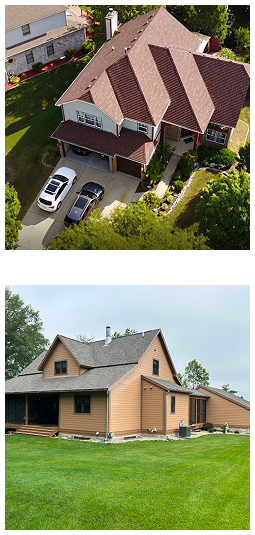
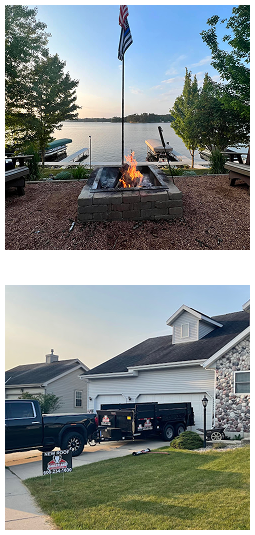
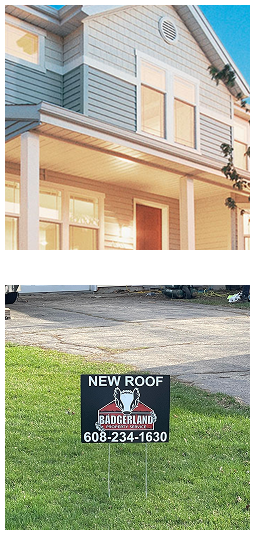
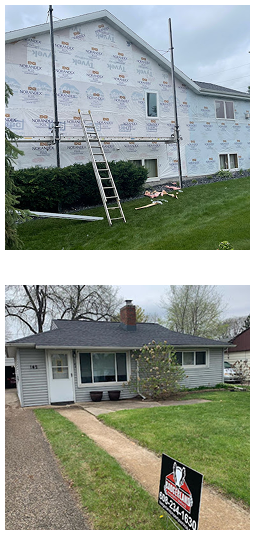




Long-lasting Roofs & Trusted Customer Service

Built to Last
Military precision, durable materials, and expert craftsmanship on every project.

No Gimmicks, Just Results
Upfront pricing, clear communication, and a team you can trust.