


 (608) 234-1630 Emergency Call
Wisconsin's Premiere Roofing Company
Storm Damage Roof Repair in DeForest, WI
5.0 Stars - Based on 151 User Reviews
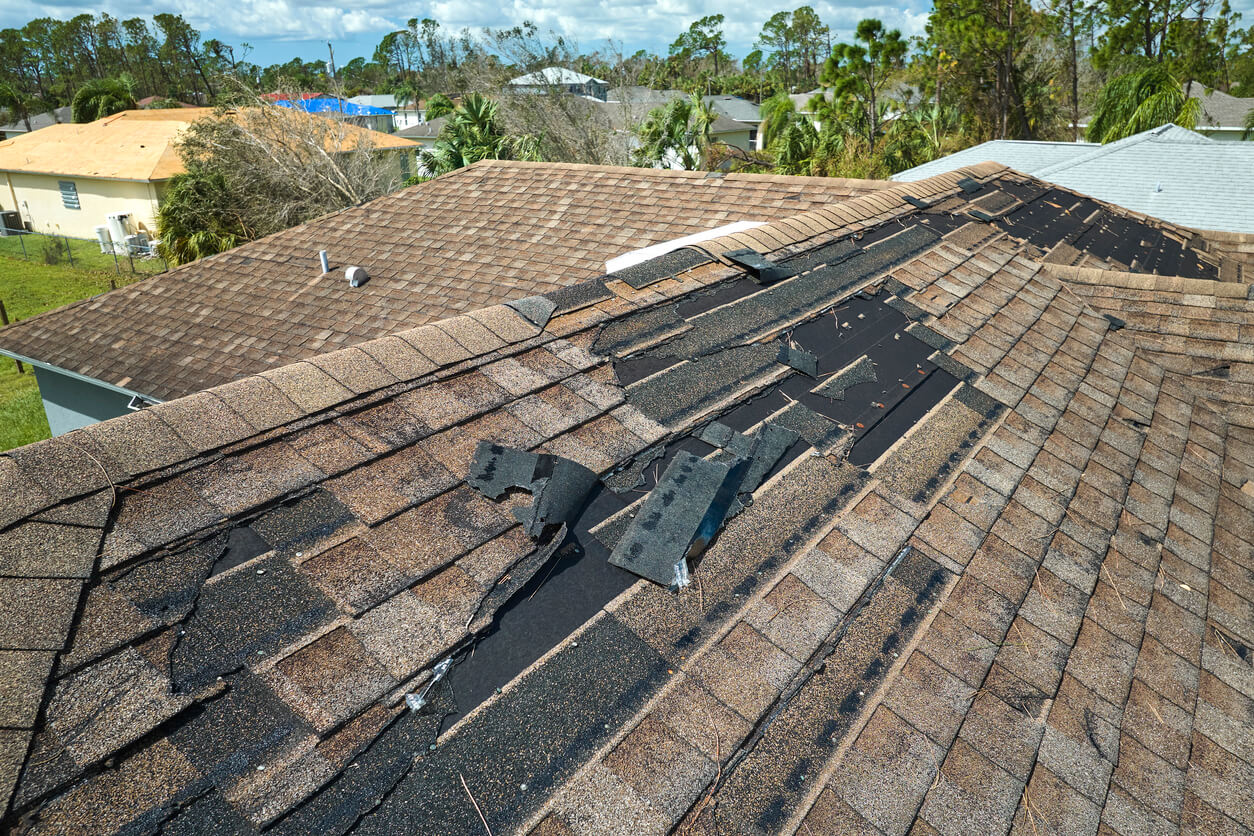
DeForest sits in a part of Wisconsin where the weather doesn't go easy on rooftops. Summer thunderstorms roll through with high winds and hail that bruise and crack asphalt shingles, strip away protective granules, and lift shingle edges right off the deck. When fall arrives, those same damaged shingles face the first round of freezing temperatures, and what started as a small opening from a storm can widen enough to let water reach your roof decking and underlayment before you ever notice a stain on the ceiling. Roof damage after a storm is rarely obvious from the ground, which means many homeowners are living under a compromised roof without realizing it.
That's exactly why a professional inspection after severe weather matters so much in this area. Badgerland Property Service works with homeowners across DeForest and the surrounding Madison area to find what a storm actually left behind, whether that's missing shingle tabs, damaged flashing around vents and valleys, or gutter sections that took a beating during the same issue. A thorough inspection gives you a clear picture of what needs attention now and what can be monitored, so you're making informed decisions about your home rather than guessing. Storm damage repairs handled quickly protect your roof from the wear that builds through every season that follows.
How Storm Damage Roof Repair Works in DeForest, WI
Storm damage is often more complicated than it appears from the ground. Understanding the repair process before work begins can help eliminate uncertainty and make it easier to decide on the next steps. Here is how Badgerland Property Service approaches storm-related roof repairs from start to finish.
- Step 1: Roof Damage Evaluation
The first step is determining how the storm affected the roofing system. An inspection is performed to assess shingles, flashing, valleys, gutters, roof gaps, and other areas commonly affected by wind, hail, or water intrusion. This close-up evaluation helps identify damage that may not be visible during a ground-level review. - Step 2: Condition Analysis and Repair Recommendations
After the inspection, the findings are reviewed and prioritized based on severity. Immediate concerns are identified, potential trouble spots are discussed, and recommendations are provided based on the actual condition of the roof. When limited repairs are sufficient, that option is presented rather than recommending more extensive work than necessary. - Step 3: Repair Proposal and Cost Breakdown
Before repairs move forward, a detailed estimate is prepared outlining the work required to address the identified damage. The proposal explains what will be repaired, why those repairs are necessary, and the associated costs, so expectations are clear before the project begins. - Step 4: Storm Damage Restoration
Once approved, the repair work is completed using materials compatible with the existing roofing system. Damaged shingles, flashing components, and other affected areas are repaired or replaced as needed to restore the roof's weather resistance and overall performance. - Step 5: Repair Confirmation and Final Review
Following completion, the repaired areas are inspected to verify that all identified issues have been addressed properly. The completed work is reviewed with you, the repairs are explained, and any remaining questions are answered so you have a clear understanding of the finished project.
Common Storm Damage Warning Signs in DeForest, WI
After a strong storm passes through, your roof may look fine from the driveway while hiding real damage above. Knowing what to watch for can help you act before a minor issue turns into something much more expensive to fix.
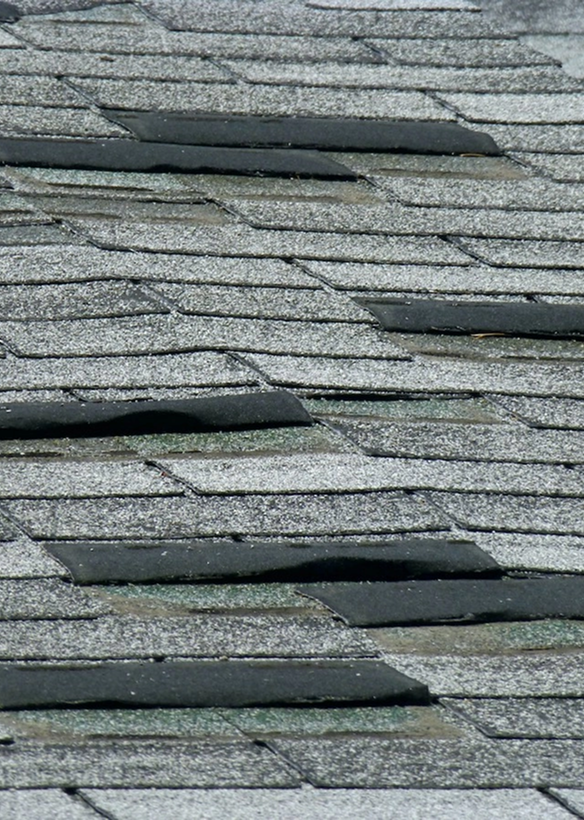
- Granule loss on shingles: Hail strips the protective granule layer from asphalt shingles, leaving bare spots that accelerate wear and reduce the shingle's ability to shed water.
- Lifted or missing shingle tabs: High winds get under shingle edges and pull tabs loose or remove them entirely, exposing the underlayment and roof decking beneath.
- Cracked or bruised shingles: Direct hail impact leaves visible bruising or cracking that weakens the shingle even when it hasn't been displaced.
- Loose or lifted flashing: Flashing at vents, valleys, and roof edges is especially vulnerable to wind. Gaps in flashing are a common entry point for leaks after storms.
- Water-damaged roof decking or underlayment: If storm damage goes unaddressed through winter, temperature changes and snowmelt can push water into small openings and rot the layers underneath.
- Gutter damage or separation: The same storm that damages your roof often bends, clogs, or pulls gutters away from the fascia boards, affecting how water drains off your home.
Many of these issues are not visible from the ground, which is why a complete inspection after any significant storm is the most reliable way to know what you're actually dealing with.
Shingle-to-Shingle Material Matching
When shingles are replaced after storm damage, the repair materials are matched to your existing roof in color, style, and weight so the finished work blends in rather than standing out as a patch job. This protects your home's appearance and keeps the repaired area performing consistently with the rest of the surface of the roof.
Flashing Resealing and Replacement at Vulnerable Points
Storms frequently loosen or separate flashing around pipe boots, chimneys, skylights, and roof valleys, which are the spots most likely to allow leaks long after the storm is forgotten. Badgerland addresses flashing as a distinct part of the repair, not an afterthought, because a solid shingle repair means little if water is still finding a gap to leak in through.
Underlayment and Roof Decking Review While the Roof Is Open
Once damaged shingles are removed, the layers beneath them are checked for soft spots, water staining, and rot before anything is closed back up. If your roof decking or underlayment absorbed moisture from earlier damage, catching it at this stage prevents you from sealing a hidden problem under fresh materials.
Paired Gutter and Edge Damage Repair
Strong storms in the DeForest area rarely limit their damage to the shingle surface alone. Gutter sections, drip edge, and fascia boards along the roofline often take hits from the same storm, and addressing those at the same time as the roof repair keeps water moving off your home the way it should, rather than pooling at the edges where future damage starts.
Get Storm Damage Repaired in DeForest, WI
South-central Wisconsin puts roofs through a real workout across every season. The same system that drives hail and high winds through the area in summer can leave small vulnerabilities that winter snow and temperature changes expose months later. Getting storm damage repaired quickly means you're not carrying that risk forward into conditions that can quietly turn a minor fix into a much larger project. Your home holds real value, and the roof is one of the most direct ways to protect it.
Badgerland Property Service is ready to help you understand exactly what your roof needs after a storm and get it taken care of the right way. If you've had significant weather come through recently, or if something about your roof hasn't looked quite right, reaching out for an inspection is a straightforward next step. Contact Badgerland Property Service when you're ready, and we'll take it from there.
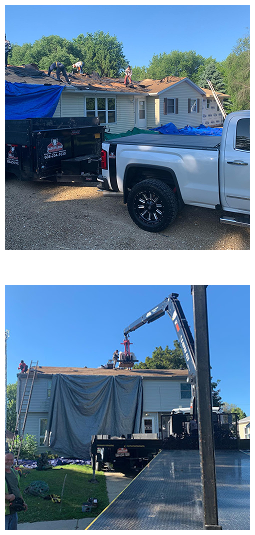
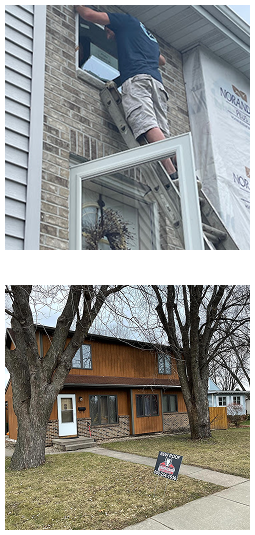
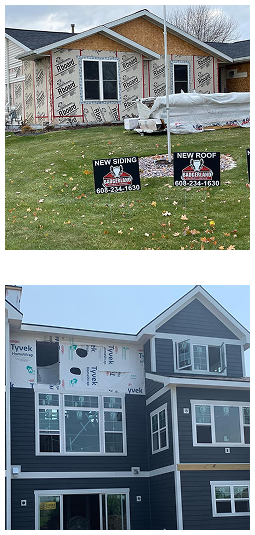




Long-lasting Roofs & Trusted Customer Service

Built to Last
Military precision, durable materials, and expert craftsmanship on every project.

No Gimmicks, Just Results
Upfront pricing, clear communication, and a team you can trust.