


 (608) 234-1630 Emergency Call
Wisconsin's Premiere Roofing Company
Residential Roof Inspection in Madison, WI
5.0 Stars - Based on 151 User Reviews
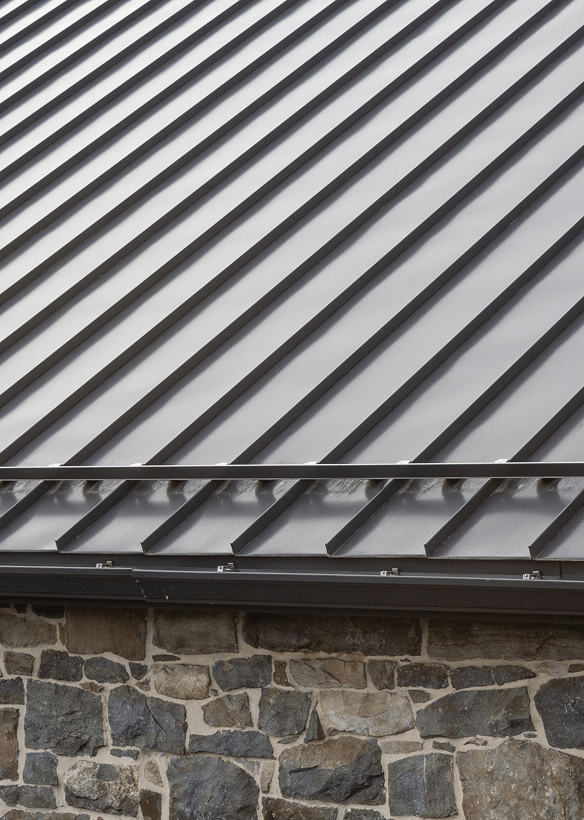
Madison winters are hard on roofs. Temperatures drop well below freezing, heavy snow builds up across rooflines, and then everything thaws when spring arrives. That cycle of freezing and warming puts real stress on shingles, flashing, gutters, and the wood underneath. Add in the region's roughly 35 inches of annual precipitation spread across more than half the year, and your roof is dealing with something almost every season. When small problems go unnoticed, water finds its way in, wood begins to rot, and what started as a minor repair turns into a much larger project.
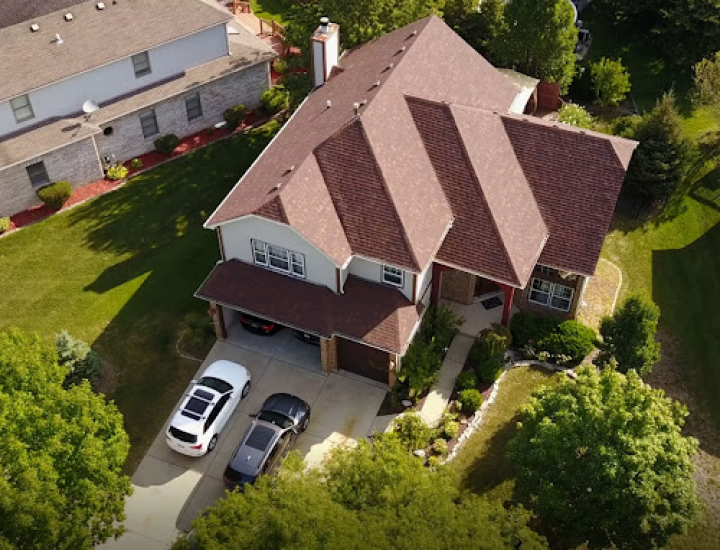
A professional roof inspection gives you a clear picture of where your roof stands before damage has a chance to spread. At Badgerland Property Service, we inspect the full roofing system, from shingle condition and the flashing’s structural integrity to gutters, soffits, fascia boards, pipe boots, and chimney details. We also look inside at ceiling stains and attic conditions that can point to exterior problems you would never spot from the ground. Most homes in the Madison area are two-story structures with asphalt shingle roofs, and those rooflines hide plenty of spots where wear and weather damage tend to show up first.
Spring and fall are the best times to schedule an inspection, giving you a window to address any damage before winter arrives or after it leaves. That said, if your home took a hit from hail or a strong storm, waiting until the seasonal window is not worth the risk.
How a Roof Inspection in Madison, WI Actually Works
A roof inspection should leave you with answers, not more questions. Here is exactly how the process works from the initial appointment through the final discussion of our findings.
- Step 1: Scheduling and Property Access Review
The process starts by selecting an appointment time that fits your schedule and confirming which areas of the property will need to be accessible. We discuss any concerns you have noticed, such as leaks, staining, missing shingles, or storm-related damage, so those areas receive extra attention during the inspection. Taking care of these details beforehand helps the visit run smoothly from start to finish. - Step 2: Full Roof and Attic Assessment
Our inspection covers the roofing system as a whole rather than focusing on a single concern. We evaluate shingle condition, flashing details, roof gaps, drainage components, soffits, fascia boards, and other areas that commonly experience wear over time. Where access is available, we also inspect the attic for leaks, ventilation deficiencies, and signs that conditions beneath the roof may be affecting performance above. - Step 3: Photo Documentation and Condition Reporting
As the inspection progresses, we create a detailed record of what we observe. Photographs and written notes are used to document areas of concern, normal aging, and any conditions that may warrant future attention. This gives you a clear reference point and eliminates the need to rely solely on a verbal explanation after the inspection is complete. - Step 4: Findings Discussion and Professional Guidance
After the evaluation, we review the results with you in straightforward terms. We explain the significance of any issues we identified, discuss potential consequences if they are left unaddressed, and answer any questions you may have. If the roof is performing well and no corrective work is necessary, we make that clear as well. - Step 5: Recommendations and Planning Ahead
Before wrapping up, we outline the most appropriate next steps based on the roof's current condition. Whether that involves scheduling repairs, monitoring specific areas over time, or simply maintaining a regular inspection schedule, you leave with practical information and a clear understanding of your options moving forward.
What a Roof Inspection Covers in Madison, WI
A complete residential roof inspection looks at far more than just the shingles you can see from the street. Madison's weather conditions put every part of your roofing system under stress, so inspectors work through the full picture, inside and out, to catch problems early before they spread.
- Shingle condition: Inspectors check for cracking, curling, blistering, and granule loss, all signs that your shingles are breaking down and leaving the deck underneath exposed.
- The flashing’s structural integrity: Metal flashing around chimneys, vents, and roof edges is checked for rust, separation, and missing or cracked caulk, which are common entry points for leaks.
- Pipe boots and roof gaps: Rubber boots around plumbing pipes crack and decay over time. A torn boot is one of the more frequent sources of water getting into the attic.
- Gutters, soffits, and fascia boards: Loose or pulling gutters, rotting fascia boards, and damaged soffits can all signal underlying moisture problems or lead to new ones.
- Chimney details: Inspectors look for cracks in the masonry, deteriorating mortar, and missing caps that allow water to pool and work its way down.
- Interior signs of damage: Ceiling stains and attic conditions often reveal leaks or ventilation problems that are invisible from outside.
Because two-story homes with steeper rooflines are common throughout the Madison area, many of these problem spots are impossible to spot safely on your own. A professional inspection gives you a complete picture without the risk of missing something that matters.
Granule Loss Mapping on Asphalt Shingles
Asphalt shingles shed granules gradually over time, and the pattern of that loss tells you a lot about where your roof is in its lifespan. Identifying which sections are thinning fastest helps you plan rather than react to a failure that was already in progress.
Structural Deck and Sagging Identification
Beneath the shingles, the roof deck can develop soft spots, rot, or subtle dips that signal moisture has already worked its way in. Catching deck issues early means repairs stay focused and manageable, rather than expanding into the framing below.
Rooftop Ventilation Check
Blocked or failing rooftop vents trap heat and moisture in the attic, which accelerates shingle deterioration from underneath and contributes to ice buildup along the roofline during Madison winters. Inspecting vent condition and airflow is part of understanding how well your full roofing system is holding up.
Pest and Organic Growth Identification
Moss, algae, and lichen hold moisture against shingle surfaces and speed up breakdown, while gaps in flashing or rotting wood can invite pest activity. Spotting these issues during an inspection gives you the chance to address them before they quietly compromise larger sections of your roof.
Schedule Your Residential Roof Inspection in Madison, WI
Madison's weather puts your roof through a real workout every year. The weight of winter snow, repeated temperature changes between seasons, and months of steady precipitation add up gradually, and the damage that results rarely announces itself. Catching worn flashing, failing pipe boots, or early deck issues before they turn into leaks is exactly what a professional inspection is designed to do. For most homeowners, that kind of early awareness is what keeps a routine maintenance cost from becoming an expensive repair project.
If it has been a while since your roof was looked at, or if you have never had a formal inspection done, reaching out to Badgerland Property Service is a straightforward next step. Spring and fall tend to book up quickly, so scheduling ahead gives you more flexibility. When you are ready, we are here to take a look and give you a clear, honest picture of where things stand.




Long-lasting Roofs & Trusted Customer Service

Built to Last
Military precision, durable materials, and expert craftsmanship on every project.

No Gimmicks, Just Results
Upfront pricing, clear communication, and a team you can trust.