


 (608) 234-1630 Emergency Call
Wisconsin's Premiere Roofing Company
Residential Roof Inspection in McFarland, WI
5.0 Stars - Based on 151 User Reviews
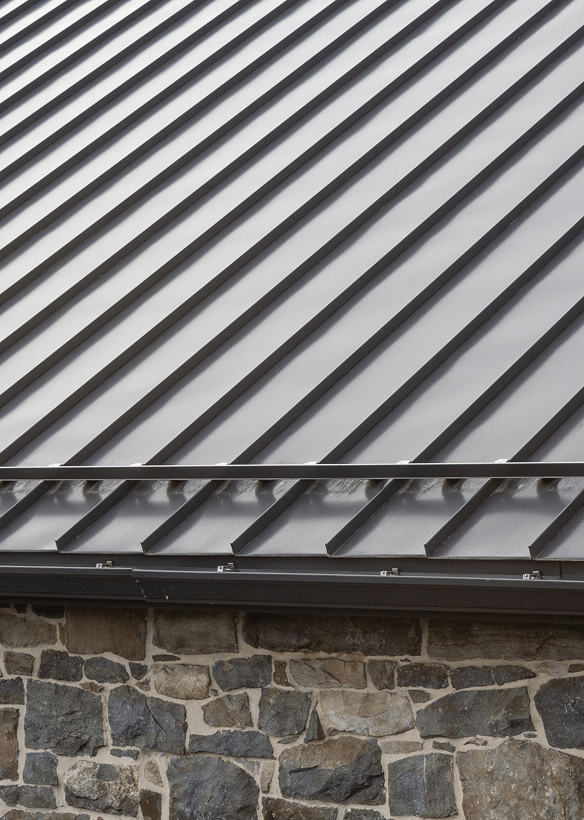
McFarland homeowners deal with severe weather conditions throughout the year, and your roof takes the full force of it. Heavy snow and ice add stress through winter, summer storms roll through with hail and strong winds, and the persistent humidity and fog that come with living near the water keep moisture working against your roof long after the rain stops. That constant cycle of temperature changes between seasons causes roofing materials to expand and contract, which opens up small gaps and cracks that let water find its way in. Left unchecked, those small problems become leaks that reach your attic, your ceilings, and eventually your walls.
A professional residential roof inspection assures you of where your roof stands so that minor wear can be addressed before turning into something far more expensive to fix. Badgerland Property Service works with McFarland homeowners to inspect everything from shingles and flashing to drainage points and attic ventilation, with a focus on the specific conditions that affect roofs in this area. Ice buildup in the winter, moss and algae growth from high humidity, and hail damage from summer storms all add unwanted stress to your roof. Inspections in late fall after storm season and again in early spring after the snow melts put you in the best position to address damage before the next season hits.
How Roof Inspection Works in McFarland, WI
It can be helpful to know the exact process of a roof inspection so that you’re prepared for what to expect when reaching out.
- Step 1: Scheduling and Access Confirmation
You pick a time that works for your schedule, and we confirm what we need to access your roof safely. We keep the process straightforward with no complicated intake forms or long waits. Most inspections are booked quickly and completed in a single visit. - Step 2: Inspection
We do a thorough inspection of your shingles, flashing, drainage points, gutters, downspouts, and attic ventilation. We look specifically for the issues that show up most often in McFarland homes: hail impact damage, moisture retention under shingles, moss and algae growth, and signs of ice dam formation near the eaves. Every part of the roof gets looked at, not just the sections that are obviously worn. - Step 3: Documentation and Review
We take notes and photos that document what we find. Our attention to detail assures that nothing gets missed or exaggerated. You'll know exactly what we saw and where. - Step 4: Honest Recommendations
We walk you through what the findings mean. We only recommend work that's actually needed, and if minor repairs are sufficient, we explain why and what to watch for going forward. - Step 5: Next Steps
You get a clear picture of your roof’s condition and what the next steps should be. Whether that's scheduling a repair, planning for a future inspection, or simply knowing your roof is holding up well, you'll have the information to make a confident decision.
What a Roof Inspection Looks Like in McFarland, WI
Wisconsin weather puts a lot of stress on residential roofs, and McFarland homes face challenges that make a thorough inspection worth more than a quick visual check. Knowing exactly what gets examined helps you understand the process and why certain areas get extra attention in this region.
| Inspection Area | What We Look For | Why It Matters in McFarland |
|---|---|---|
| Shingles and Surface | Hail fractures, granule loss, lifted edges, moss and algae growth | Summer hail and persistent humidity break down shingles faster than normal wear |
| Flashing and Seals | Gaps, separation, corrosion around vents and chimneys | Temperature changes between seasons cause materials to shift and separate |
| Gutters and Downspouts | Clogs, sagging, improper drainage away from the foundation | Heavy storms can overwhelm poor drainage quickly |
| Attic Ventilation | Airflow blockages, moisture buildup, signs of ice damage near eaves | Poor ventilation can cause ice dam formation and traps moisture in the roof deck |
| Starter Strips and Rake Edges | Missing or improperly installed starter strips along the edges | A common issue locally that leads to shingle exposure and early wear |
McFarland's municipal code requires electrical service inspections to happen only after a structure is fully roofed. Scheduling your roof inspection before applying for other building permits keeps your project moving without unnecessary delays.
Roof Deck and Underlayment Condition Check
Beneath your shingles, the deck and underlayment work to prevent moisture from reaching your home's interior. McFarland's combination of humidity and sharp temperature changes between seasons speeds up decay in these layers, and problems here rarely show up on the surface until significant damage has already occurred.
Moss, Algae, and Organic Growth Review
The fog and high humidity in McFarland create ideal conditions for moss and algae to grow on roof surfaces. During your inspection, we identify any organic growth and explain what it means for your shingles, since lifted edges from moss can weaken your roof’s waterproofing.
Post-Storm Damage Review for Hail and Wind Impact
Summer storms in the McFarland area regularly bring hail and strong winds that leave behind damage that isn't easy to spot without knowing what to look for. We inspect for the specific impact patterns and fractures that hail leaves on asphalt shingles, along with any signs that wind uplift has loosened fasteners or shifted roofing materials out of position.
Ice Dam Risk and Eave Condition Check
Ice dam formation occurs when heat escapes unevenly through the roof and causes snow to melt and then refreeze, adding stress to the eaves. We look for signs that your roof is at risk of this happening, including water staining, compressed insulation signals, and wear near the lower edges where ice dam pressure collects the most.
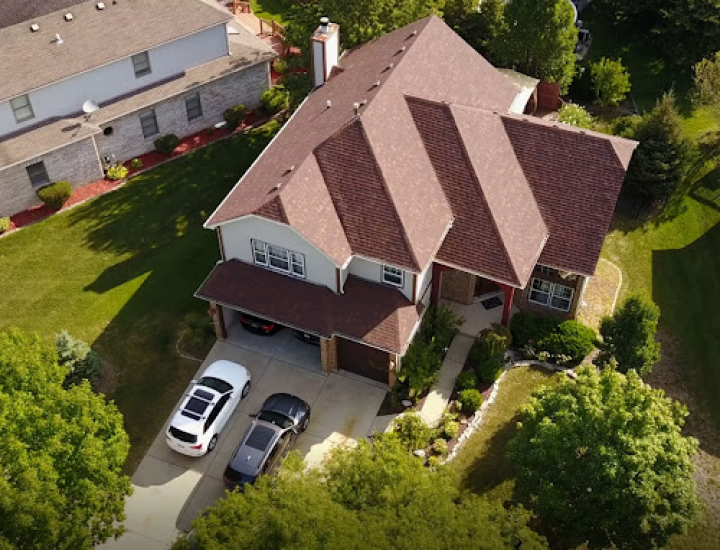
Schedule Your Residential Roof Inspection in McFarland, WI
Wisconsin roofs go through a lot of stress throughout the seasons. The moisture that comes from fog and humidity, the ice and snowfall of a hard winter, and the hailstorms in summer can all lead to a damaged roof. Catching that wear early keeps small issues from turning into significant repairs. An inspection each year, or after any significant weather event, is an important investment that assures your property is protected.
If you're not sure where your roof stands right now, Badgerland Property Service can help. Contact us and we'll get your inspection scheduled at a time that works for you.




Long-lasting Roofs & Trusted Customer Service

Built to Last
Military precision, durable materials, and expert craftsmanship on every project.

No Gimmicks, Just Results
Upfront pricing, clear communication, and a team you can trust.