


 (608) 234-1630 Emergency Call
Wisconsin's Premiere Roofing Company
Storm Damage Roof Repair in McFarland, WI
5.0 Stars - Based on 151 User Reviews
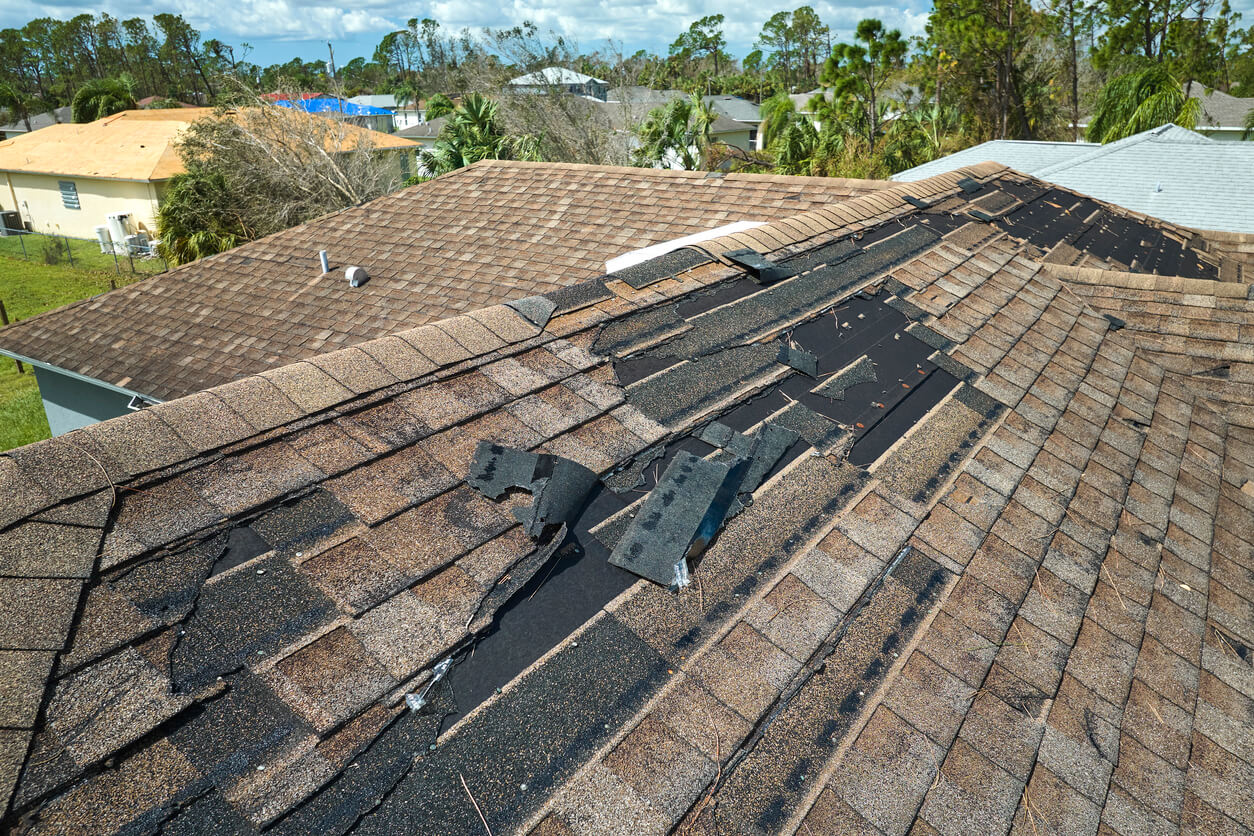
McFarland sits in a part of Wisconsin where severe weather is not rare. Spring and summer storms roll through with wind gusts that regularly push past 60 mph, and hail the size of quarters is common enough that local homeowners have come to expect damage after a bad storm season. That kind of weather puts real stress on standard asphalt shingles, and what looks like a minor hit from the ground can quietly compromise the roof's ability to protect your home for years to come. The tricky part is that the damage does not always announce itself right away. Interior stains and active leaks can show up weeks after the storm that caused them, leaving homeowners unsure where the problem started or how serious it is.
That gap between damage and visible symptoms is exactly why professional storm damage roof repair matters so much here. Badgerland Property Service works with McFarland homeowners to identify what the storm actually did, not just what is visible from the yard. Lifted shingles, compromised flashing, and impact marks that weaken the asphalt layer beneath the surface all need to be caught before the next round of rain finds those weak spots. Getting a complete inspection and making targeted repairs quickly after a storm is the most direct way to protect your home and keep a manageable situation from turning into a much larger one.
How Storm Damage Roof Repair Works in McFarland, WI
Storm damage can affect different areas of a roof in ways that are not always obvious after the weather passes. Badgerland Property Service evaluates the condition of the roof carefully, identifies the necessary repairs, and explains the recommended solution based on the damage found.
- Step 1: Storm Impact Inspection
The evaluation begins with a close review of the areas most likely to show storm-related issues. We inspect shingles, flashing, vents, ridge caps, and other exposed components while documenting visible concerns with photographs to create a clear record of the roof’s condition. - Step 2: Damage Findings Review
After the inspection is complete, we explain the results and discuss how the identified damage affects the roof. Areas requiring attention are reviewed along with conditions that may be monitored, giving you a clear understanding of what needs to be addressed and why. - Step 3: Repair Details and Planning
Before work begins, we provide a detailed breakdown of the recommended repairs, materials involved, and areas receiving service. This allows you to understand the work being completed and what is included before the project moves forward. - Step 4: Storm Damage Restoration
The repair process focuses on restoring the affected areas identified during the inspection. Damaged shingles are replaced, flashing concerns are corrected when needed, and other storm-related issues are addressed to help return the roof to proper condition. - Step 5: Completed Repair Review
Once the repairs are finished, we inspect the completed work and review the results with you. We explain what was repaired, answer questions about the service, and make sure you have a clear understanding of the condition of your roof after the project is complete.
Spotting Storm Roof Damage in McFarland, WI
Not all storm damage is obvious, and some of the most telling signs are easy to miss if you don't know what to look for. Understanding what a storm actually does to a roof helps you act quickly and avoid letting small problems develop into larger ones.
| Damage Type | What It Looks Like | Why It Matters |
|---|---|---|
| Hail impact marks | Circular bruise-like spots on shingles | Weakens the asphalt layer beneath, shortening roof lifespan even without immediate leaks |
| Granule loss | Granules collecting in gutters after a storm | Exposes bare asphalt to temperature changes, accelerating wear through Wisconsin winters |
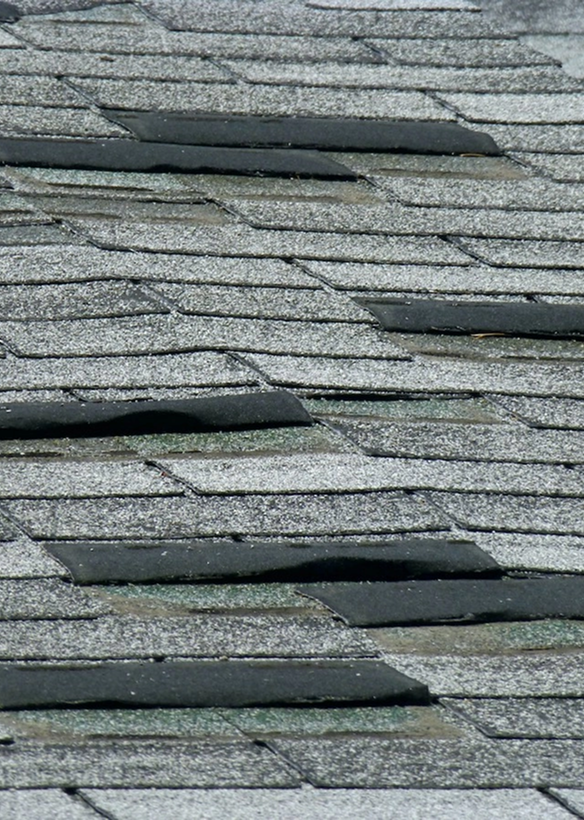
| Lifted or creased shingles | Shingles that appear wavy or slightly raised | Creates hidden water entry points that are not visible from the ground |
| Damaged flashing or vents | Dented or shifted metal around vents and ridge caps | Often signals shingle damage nearby that may not show obvious impact marks |
Granule loss in your gutters is one of the most overlooked indicators of how hard a storm hit your roof. Once that protective layer is gone, the asphalt underneath is exposed and far more vulnerable to what Wisconsin weather throws at it next. A professional inspection is the only reliable way to get the full picture, since many of these issues simply cannot be seen safely or accurately from the ground.
Shingle Replacement with Matched Materials
When damaged shingles are removed, we match the replacement materials as closely as possible to what's already on your roof in terms of color, profile, and weight class. A consistent surface matters for both the appearance of your home and for maintaining an even layer of protection across the whole roof.
Flashing Repair and Resealing
Wind gusts in McFarland regularly push hard enough to pull flashing loose around chimneys, vents, and roof edges, and even small gaps in those metal seals are enough to let water work its way in. We repair or replace damaged flashing and reseal any joints that the storm may have compromised, since these spots are some of the most common sources of leaks after a severe storm.
Impact-Resistant Shingle Upgrades
If your current shingles took a beating from quarter-size hail, that's a sign they may not be the right material for what McFarland storms regularly deliver. During repairs, we can discuss upgrading affected sections to impact-resistant shingles that hold up better against repeated hail strikes and reduce the risk of granule loss after future storms.
Gutter and Edge Condition Check
Heavy wind and hail don't stop at the shingles. We take a look at your gutters and roof edges as part of the repair visit to catch any damage that could affect how water drains off your roof after a storm. Bent or pulled gutters can force water back toward the fascia board and eventually into your home if they're left unaddressed.
Get Storm Damage Repaired in McFarland, WI
Wisconsin storms don't follow a polite schedule, and the damage they leave behind tends to get worse the longer it sits. Whether your roof took a hit from hail, high winds, or both, getting repairs done before the next round of bad weather is the most practical thing you can do for your home. A roof that's fully sealed going into the next storm season means fewer surprises and a lot less worry about what might be happening up there after every major system rolls through.
Badgerland Property Service is familiar with what McFarland roofs go through and how to fix them correctly. If you've had a recent storm and you're not sure what your roof looks like, reaching out for a professional inspection is a straightforward next step. We're happy to take a look, give you a clear picture of what we find, and talk through your options without any pressure.




Long-lasting Roofs & Trusted Customer Service

Built to Last
Military precision, durable materials, and expert craftsmanship on every project.

No Gimmicks, Just Results
Upfront pricing, clear communication, and a team you can trust.