


 (608) 234-1630 Emergency Call
Wisconsin's Premiere Roofing Company
Residential Roof Inspection in Portage, WI
5.0 Stars - Based on 151 User Reviews
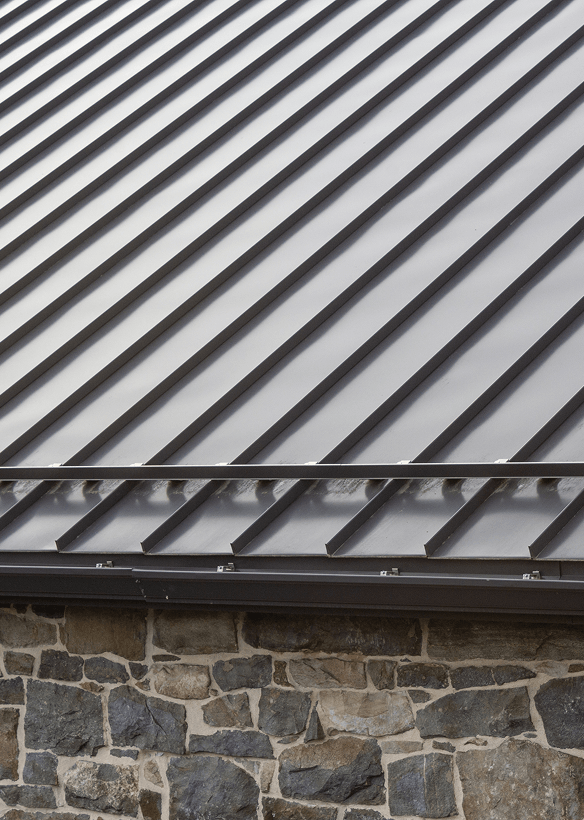
Portage winters are hard on roofs. Between heavy snow, repeated temperature changes through late fall and early spring, and a wet stretch that rolls in around late spring and early summer, your roof takes a beating year after year. Older homes in Portage face this with aging materials and flashing details that may have already seen decades of stress. Mid-century ranches and split-levels carry their own set of wear patterns, especially around eaves, valleys, and chimney areas where snow and meltwater tend to collect. When small problems go unnoticed through a full winter, what starts as a minor issue around a dormer or roof valley can quietly work its way into your attic framing or insulation before you ever notice a stain on the ceiling.
A complete residential roof inspection gives you a clear picture of where your roof stands before the next season puts it to the test again. Badgerland Property Service works with homeowners across Portage to inspect roofs for shingle wear, flashing weakness, granule loss, ventilation problems, and early signs of moisture damage that are not always visible from the ground. Whether your home was built in the early 1900s or is a more recent build approaching mid-life, the right time to find out what is happening up there is before a problem becomes expensive to fix.
How Our Roof Inspection Works in Portage, WI
A roof inspection is meant to give you a practical understanding of the roof’s condition, including areas that may not be obvious from the ground. Badgerland Property Service reviews the roof in detail, documents the findings, and explains what they mean for your home.
- Step 1: Arrange Access and Discuss Concerns
We schedule the inspection around your availability and confirm the access needed to examine the property. You do not need to climb onto the roof or prepare the roof beforehand. Before the inspection, we also discuss anything you have noticed, such as ceiling stains, damaged shingles, or areas that have raised concerns. - Step 2: Examine the Roof in Detail
We inspect the roofing materials and key areas such as shingles, flashing, eaves, valleys, dormers, and chimney transitions. Portage’s snow and temperature fluctuations can place additional stress on these components, so we look for granule loss, damaged or displaced shingles, failed seals, and conditions that could allow water entry. - Step 3: Record What We Find
Photos and inspection notes document the roof’s condition as we work through it. The record identifies both areas requiring attention and portions that remain in satisfactory condition, giving you something specific to reference after the inspection. - Step 4: Review the Condition and Recommendations
We explain the findings in straightforward terms and identify any repairs that warrant attention. If the roof does not show a problem requiring work, we tell you that rather than recommending unnecessary services. - Step 5: Determine the Appropriate Next Step
When repairs or additional evaluation are warranted, we explain what should happen next and why. If the roof can continue without immediate work, we discuss conditions worth monitoring so you know what changes could indicate a future problem.
What We Look for During Inspections in Portage, WI
Portage roofs face a specific set of stressors that show up in predictable places. Knowing what gets examined during a complete residential roof inspection helps you understand why certain areas get extra attention, especially after a long winter or a stretch of heavy rain.
- Shingle condition: Granule loss, curling edges, cracking, and seal failure are common on asphalt shingle roofs that have been through multiple seasons of temperature changes and heavy snow
- Flashing at chimneys, dormers, and valleys: These areas concentrate water and snowmelt, making them a frequent source of leaks in Portage homes, particularly on older roofs where original flashing details have aged
- Eave and soffit areas: Ice buildup at the eaves can lift shingles and allow water to work under the surface of the roof, leaving damage that does not always show up until warmer weather
- Attic ventilation and moisture signs: Poor ventilation traps heat and moisture, which shortens shingle life and can lead to mold or rot in attic framing over time
- Roof deck condition: Soft spots or visible sagging can point to moisture damage that has already reached the roof decking beneath the shingles
- Gutters and drainage: Blockages or improper slope can cause water to back up against the roof edge, which is especially problematic during snowmelt
These are the areas where problems tend to start quietly, well before anything shows up on your ceiling. Catching them early is the whole point of a complete inspection.
Age-Appropriate Inspection Standards
Portage’s housing ranges from homes built in the early 1900s to mid-century ranches and split-levels, and each era comes with its own roofing materials, flashing styles, and wear patterns. Your inspection is approached with that context in mind, so the findings reflect what is actually reasonable to expect from a roof of that age and construction, not a one-size-fits-all checklist.
Seasonal Timing Guidance
Not every roof problem needs to be fixed right away, and knowing when to act matters as much as knowing what to fix. After your inspection, you will get a clear read on whether repairs are better handled now, before the next winter hits, or after the wet spring stretch passes and conditions are right for the work to hold.
Gap and Transition Point Review
Skylights, pipe boots, vent stacks, and any other spot where something passes through your roof’s surface are checked closely, since these openings are common entry points for water, especially after repeated temperature changes loosen seals over time. On homes with more complex rooflines, these transition areas deserve extra attention because they are often where early-stage problems quietly take hold.
Interior Warning Sign Check
What is happening inside your home can tell part of the story your roof is not showing on the surface. Ceiling stains, attic moisture, and insulation that has gotten wet are all signs that something above has already allowed water in, and connecting those interior clues to a specific area of the roof is part of getting the full picture of your roof’s condition.
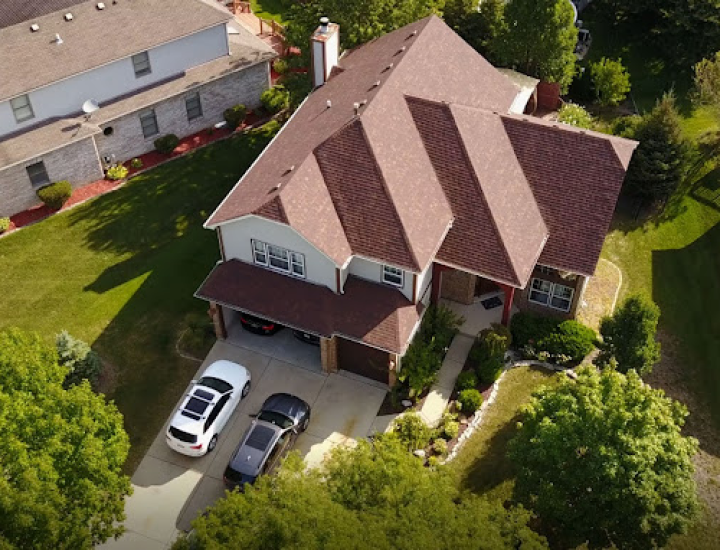
Schedule Your Residential Roof Inspection in Portage, WI
Wisconsin winters do not go easy on roofing materials, and Portage homes carry the wear of that exposure year after year. Whether your home has been through decades of seasons or your roof is simply reaching the point where wear starts to matter, knowing what condition it’s actually in puts you ahead of the kind of repair bills that come from letting small problems sit. Spring and early summer are practical times to get an inspection done, before the next cold season starts the cycle again, but any time you have questions about your roof is the right time to get answers.
Badgerland Property Service is ready to take a close look at your roof and give you an honest read on where things stand. Reach out when you are ready, and we will get your inspection scheduled at a time that works for you.




Long-lasting Roofs & Trusted Customer Service

Built to Last
Military precision, durable materials, and expert craftsmanship on every project.

No Gimmicks, Just Results
Upfront pricing, clear communication, and a team you can trust.