


 (608) 234-1630 Emergency Call
Wisconsin's Premiere Roofing Company
Storm Damage Roof Repair in Portage, WI
5.0 Stars - Based on 151 User Reviews
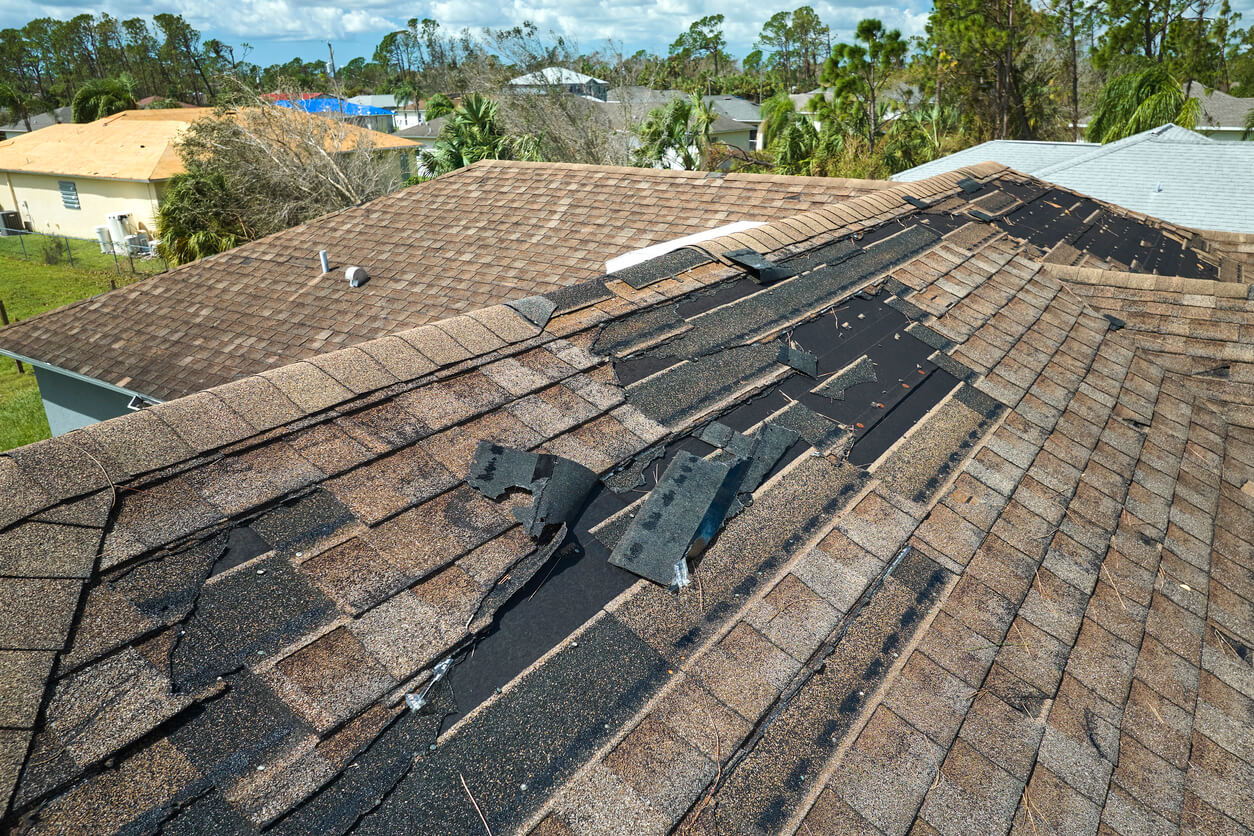
Portage sits in a part of Wisconsin where the weather doesn’t go easy on roofs. Winters bring heavy snow and ice that settle against shingles and flashing for months at a time, while temperature changes between seasons work on seams and seals in ways that aren’t always obvious right away. Come spring and summer, severe thunderstorms roll through central Wisconsin with wind gusts and hail that can crack shingles, strip granules, and lift flashing in a matter of minutes. With close to 40 inches of annual snowfall and warm-season storms that can produce quarter-size hail, Portage homeowners deal with a real range of weather threats from one end of the year to the other.
The trouble with storm damage is that it rarely announces itself. A few missing shingles or a small section of lifted flashing might not look serious from the ground, but water finds its way into those gaps quickly. Once moisture gets under the roofing material, it spreads to the roof decking and framing below, and what started as a minor repair turns into a much larger problem. Acting quickly after wind, hail, or heavy rain is the most effective way to keep secondary damage from getting out of hand.
Badgerland Property Service works with Portage homeowners on exactly these kinds of repairs. The team understands how local storm patterns affect roofs here, from the flashing around chimneys and vents to the valleys and ridge lines where damage tends to show up first. Getting a thorough inspection after a storm is the right starting point, and that’s where the process begins.
How Storm Damage Roof Repair Works in Portage, WI
Storm damage can leave visible problems as well as issues that are harder to spot from the ground. A careful inspection helps establish what the storm affected, which repairs are appropriate, and what needs to be addressed before the work is considered complete.
- Step 1: Examine the Roof for Storm Damage
We inspect the areas most likely to reveal storm-related problems, including shingles, flashing around chimneys, vents and valleys, ridge lines, and areas where water may collect. On asphalt shingles, hail damage can appear as granule loss, soft spots, or small cracks that are difficult to see from the ground. A close inspection helps establish the condition of the roof after the storm. - Step 2: Explain the Findings and Repair Options
The inspection findings are reviewed with you in straightforward terms, including where damage was found and what it means for the roof. When the affected area can be properly addressed with repairs, we explain that option rather than recommending more work than the condition requires. - Step 3: Detail the Repair and Quote
Before repairs begin, we provide a clear outline of the work and its cost. The details include the specific areas being repaired, the materials involved, and how the work will be carried out so you understand what is included before the job starts. - Step 4: Complete the Necessary Repairs
Straightforward storm damage repairs may take a few hours to a full day, depending on the extent of the damage. Work may include replacing shingles, resealing or resetting flashing, and addressing damaged roof decking before the affected area is closed back up. The repairs are completed with Wisconsin weather conditions in mind. - Step 5: Inspect the Completed Repairs
We check the repaired areas before leaving the property and review the work with you so you can see what was addressed. If an issue is identified during that final check, it’s addressed before the repair is considered complete.
Acting Fast After Storm Damage in Portage, WI
After wind, hail, or heavy rain hits your home, the window for preventing secondary damage is shorter than most people expect. What looks minor on the surface can turn serious once water gets past the roofing material and reaches the roof decking or framing underneath. The good news is that catching damage early keeps repairs manageable.
| Damage Type | What It Looks Like | Why Quick Action Matters |
|---|---|---|
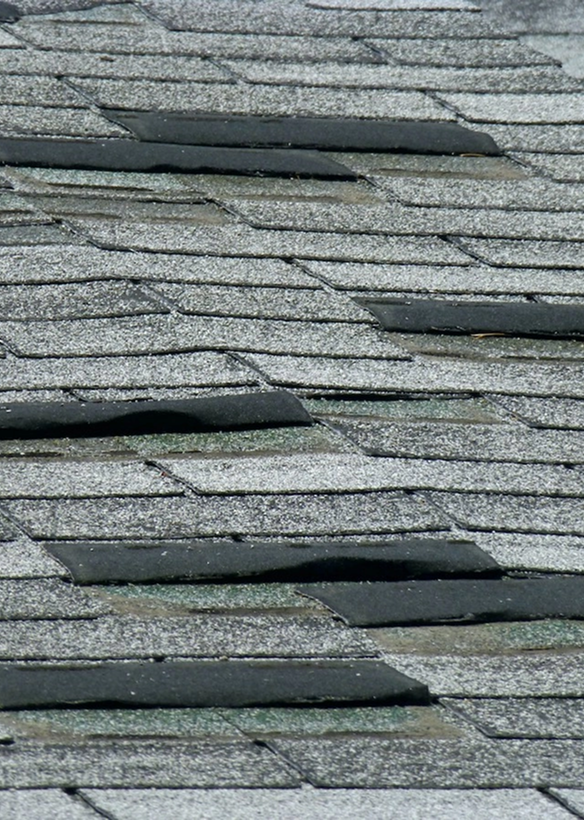
| Hail impact on asphalt shingles | Granule loss, bruising, small cracks | Exposed shingle surface accelerates deterioration and creates early leak points |
| Wind-lifted or missing shingles | Gaps, curled edges, bare roof decking visible | Open areas allow water in immediately, especially during follow-up rainstorms |
| Damaged flashing around chimneys, vents, or valleys | Bent, separated, or lifted metal edges | Flashing failure is a leading cause of hidden leaks that spread before they are noticed |
| Wind-driven rain near low-lying areas | Wet ceilings, damp attic, interior staining | Homes near the Wisconsin River can make runoff and hidden leaks form faster than usual |
Central Wisconsin’s late spring and summer storms are the most common source of sudden roof damage, and a quick inspection after any major storm is the best way to know exactly where you stand before the next storm arrives.
Shingle Replacement with Matched Materials
When shingles are cracked, bruised by hail, or blown off entirely, replacements are matched as closely as possible to what’s already on your roof in terms of style, weight, and color. A good material match keeps your roof looking consistent and ensures the repaired sections perform the same way as the surrounding ones.
Flashing Repair & Resealing at Vulnerable Points
Chimneys, vents, skylights, and roof valleys are the spots where wind and hail most often compromise the metal flashing and the seals that hold it in place. These areas get resealed or reset as needed so water doesn’t find a path underneath after the next round of storms rolls through Portage.
Roof Decking Repair Where Moisture Has Reached the Underlayer
If water worked its way past damaged shingles and soaked into the roof decking below, that section needs to be addressed before new material goes on top. Laying fresh shingles over weakened or soft roof decking shortens the life of the repair and can hide a bigger problem until it gets much worse.
Permit Compliance for Qualifying Repairs
The City of Portage requires a permit for roofing work that meets certain thresholds, and larger storm-related repairs or replacements can fall into that category. Badgerland Property Service handles the permit side of things so your repair is done correctly and up to local code, not just patched and forgotten.
Get Storm Damage Repaired Right in Portage, WI
Portage roofs take a beating year-round, from ice and heavy snow pressing down through winter to the wind gusts and hail that come with warm-season storms. A properly repaired roof is what keeps all of that weather on the outside where it belongs. The longer damaged shingles, lifted flashing, or exposed roof decking sit without attention, the more opportunity water has to work its way deeper into your home. Getting repairs done quickly after a storm is simply the most practical way to protect your home and avoid a much bigger repair bill down the road.
Badgerland Property Service knows the weather that Portage homeowners deal with and what good storm damage repair looks like in this region. The process is straightforward from the first inspection through the finished repair, and you’ll always know what’s being done and why. If you’ve had recent wind, hail, or heavy rain and want to know where your roof stands, reaching out to schedule an inspection is a good place to start.




Long-lasting Roofs & Trusted Customer Service

Built to Last
Military precision, durable materials, and expert craftsmanship on every project.

No Gimmicks, Just Results
Upfront pricing, clear communication, and a team you can trust.