


 (608) 234-1630 Emergency Call
Wisconsin's Premiere Roofing Company
Residential Roof Inspection in Poynette, WI
5.0 Stars - Based on 151 User Reviews
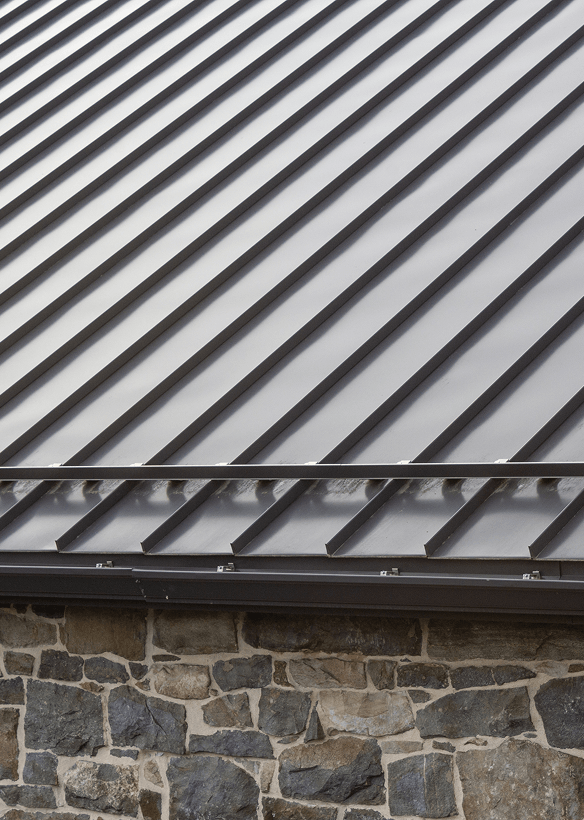
Poynette sits in south-central Wisconsin where winters are long, cold, and unforgiving. From late November into early March, temperatures can drop well below freezing, and roofs here deal with heavy snow, repeated temperature changes, and the slow melt cycles that follow. That combination puts real stress on shingles, flashing, and gutters over time. On homes built in the 1970s, 1980s, or 1990s, which make up a large share of Poynette’s housing, materials are already working through their midlife and beyond. Even newer roofs from the 2000s are not immune. Workmanship gaps, poor ventilation, and flashing that was never quite right can turn a wet spring or a rough winter into water stains on your ceiling and soft spots you can feel underfoot.
A residential roof inspection gives you a clear picture of where your roof stands before small problems become expensive ones. Badgerland Property Service works with Poynette homeowners to inspect shingles, flashing, valleys, gutters, and attic ventilation so nothing gets missed. Whether you are heading into winter and want to know your roof is ready, or you just came through another rough snow season and want to see what it left behind, a complete inspection done by someone who knows this area and its weather patterns is the best first step you can take to protect your home and your investment in it.
How Our Roof Inspection Process Works in Poynette, WI
A residential roof inspection should give you more than a list of visible defects. It should establish the condition of the roof, document relevant findings, and clarify whether any action is warranted.
- Step 1: Arrange the Inspection and Access
We coordinate a visit that works with your schedule and confirm access to the exterior areas that need to be examined. When attic access is relevant, we also arrange to inspect that space. The goal is to have the necessary areas available without creating unnecessary preparation for you. - Step 2: Examine the Roof and Attic Conditions
We assess shingles, flashing, valleys, gutters, soffits, fascia boards, and attic ventilation for signs of deterioration or moisture-related problems. The inspection includes details such as lifted or cracked shingles, exposed fasteners, damaged flashing, and areas where water may be entering or accumulating. The roof is evaluated as a whole rather than focusing only on an obvious problem. - Step 3: Document the Findings
Conditions identified during the inspection are recorded with notes and photographs where appropriate. Areas requiring attention are identified specifically so you can understand their location and condition. This creates a useful record of what was observed during the visit. - Step 4: Review the Roof’s Condition
We explain the findings in straightforward terms and distinguish between conditions that require attention and normal signs of aging. If the roof is performing properly and no work is warranted, we tell you that. When a repair is appropriate, we explain the problem and why that particular work is recommended. - Step 5: Establish the Appropriate Next Step
The inspection concludes with a discussion of what should happen next based on the findings. That may involve scheduling a repair, monitoring a specific condition, or simply continuing routine maintenance and inspections. You leave with a clear understanding of the roof’s current condition and any recommended follow-up.
What Gets Inspected on Your Roof in Poynette, WI
A complete residential roof inspection covers more than just shingles. In this part of Wisconsin, where roofs face significant snowfall, repeated temperature changes, and prolonged wet seasons, knowing the condition of every part of your roof matters. Here is a breakdown of the key areas and why each one gets attention.
| Inspection Area | What We Look For | Why It Matters in Poynette |
|---|---|---|
| Shingles | Cracking, curling, granule loss, nail pops | Aging asphalt shingles on mid-life homes wear faster under repeated temperature changes and heavy snow |
| Flashing | Separation, gaps, corrosion around gaps and valleys | Flashing failures are a leading cause of leaks during spring melt and prolonged rain |
| Gutters and Edges | Pulling away from fascia boards, ice-related damage, debris buildup | Edge damage from ice and blocked drainage can push water back under shingles |
| Soffits and Fascia Boards | Soft spots, rot, paint failure | Moisture from trapped snow and poor drainage works its way into these areas over time |
| Attic Ventilation | Airflow restriction, moisture buildup, insulation gaps | Poor ventilation contributes to ice dam formation and shortens shingle life from the inside out |
Every area on this list connects directly to the wear patterns we see on Poynette roofs season after season. Catching a problem in one area often reveals related issues nearby, which is why a complete inspection looks at the whole picture rather than just the spots that are easy to see from the ground.
Written Condition Report
After your inspection, you receive a written summary of your roof’s condition that covers every area checked, not just the problem spots. Having that documentation in hand is useful if you are planning repairs, budgeting for future work, or simply want a record of where things stood at a specific point in time.
Attic Interior Check for Hidden Moisture
The underside of your roof deck can tell a story that the exterior cannot. We look inside the attic for staining, mold, and moisture that point to slow leaks or ventilation problems that may not yet be visible from the outside, which is especially relevant after Poynette’s long snow and ice seasons.
Valley & Gap Leak Risk Rating
Roof valleys and gaps like chimneys, vents, and pipe boots are where most leaks start in this region. We give you a clear read on how well these high-risk areas are holding up and flag any spots where water is likely to find its way in before the next heavy rain or spring melt.
Seasonal Timing Guidance
Not all roof problems need to be fixed immediately, and timing repairs around Poynette’s weather patterns can make a difference in how well materials seal and perform. We tell you which issues can wait and which ones should be addressed before the next freeze, so you can plan your repairs at the right time of year.
Schedule Your Residential Roof Inspection in Poynette, WI
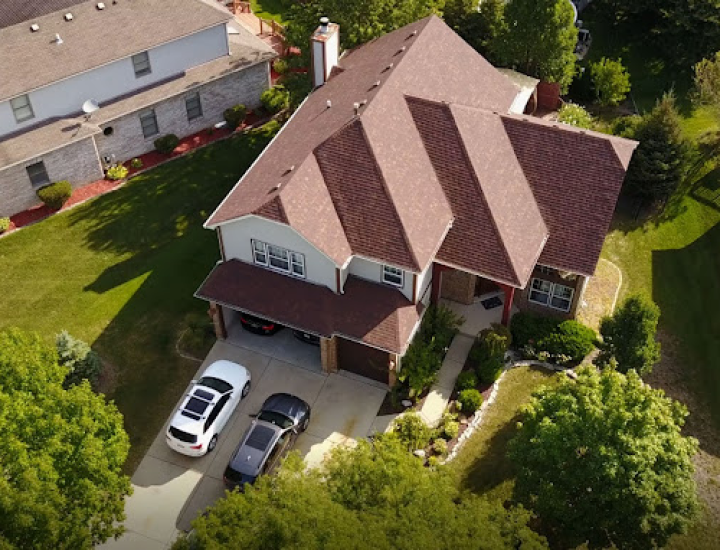
Wisconsin winters do not ease up on roofs, and the wear that builds up over years of heavy snow, temperature changes, and wet spring seasons tends to show up quietly before it shows up expensively. For homeowners in Poynette, where a lot of housing is well into its second or third decade, knowing the actual condition of your roof is one of the more practical things you can do to protect your home and avoid repairs that could have been caught early. Fall and spring are both strong windows to schedule an inspection, but any time you have a reason to wonder about your roof, that is reason enough.
Badgerland Property Service is here to give you a straight answer about where your roof stands. If everything looks good, you will know that. If there is something that needs attention, you will know that too, along with what to do about it. Reach out whenever you are ready, and we will take it from there.




Long-lasting Roofs & Trusted Customer Service

Built to Last
Military precision, durable materials, and expert craftsmanship on every project.

No Gimmicks, Just Results
Upfront pricing, clear communication, and a team you can trust.