


 (608) 234-1630 Emergency Call
Wisconsin's Premiere Roofing Company
Residential Roof Replacement in Sauk City, WI
5.0 Stars - Based on 151 User Reviews
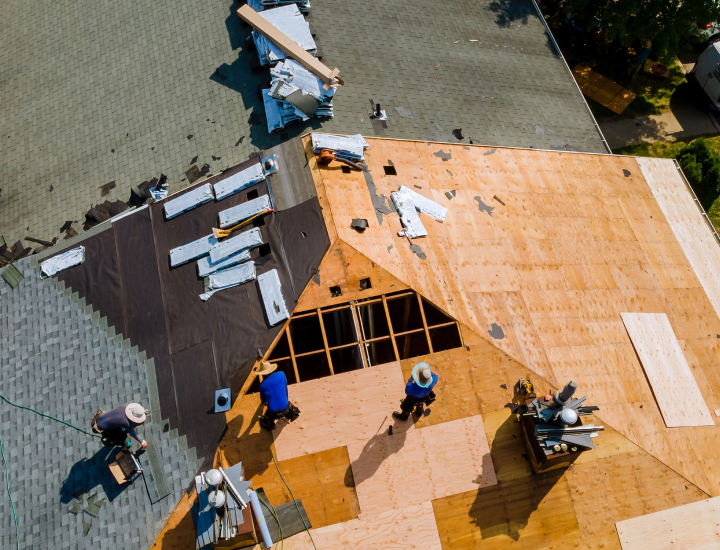
Sauk City sits in a part of Wisconsin where the weather puts roofs through a real workout year after year. Winters bring heavy snow, ice, and repeated temperature changes that stress shingles, strain flashing, and create conditions for ice dams along eaves and valleys. Then spring arrives with steady rain, and summer storms can drive water under shingles before anyone notices a problem. A large share of homes in this area were built before 1979, which means many roofs in established Sauk City neighborhoods are carrying their age and may be hiding worn roof decking, tired flashing, or attic ventilation issues that shorten shingle life and invite leaks.
Putting off a replacement long enough on a home like that can turn a straightforward project into something much larger. Once water finds a way through, it does not stop at the shingles. It works into the roof deck, the framing, and eventually the living space below. The longer it goes, the more expensive the repair becomes.
Badgerland Property Service works with Sauk City homeowners on residential roof replacement projects that are built to hold up through everything this area throws at them. From inspecting the roof deck during tear-off to making sure the right underlayment and edge protection are in place, the work is done with your home and the local weather in mind from start to finish.
How Roof Replacement Works in Sauk City, WI
A residential roof replacement involves several decisions before installation begins, from evaluating the existing roof to selecting materials and addressing conditions uncovered during tear-off. Badgerland Property Service carries those details through to a final review of the completed roof.
- Step 1: Assess the Existing Roof
We examine the shingles, flashing, eaves, valleys, and accessible roof decking for deterioration, moisture damage, and other conditions that could affect the replacement. The inspection establishes the condition of the roof before materials are selected or installation is scheduled. - Step 2: Determine Whether Replacement Is Warranted
The inspection findings help determine whether the roof should be repaired or replaced. When targeted repairs can reasonably address the problems, we explain that option. If deteriorated roof decking, flashing, or other conditions justify replacement, we explain the reasons behind that recommendation. - Step 3: Select Materials and Review the Project Details
We discuss roofing materials and installation components suited to the home and local weather, including underlayment, ice barrier protection, valley flashing, and perimeter details. For older Sauk City homes, existing construction can also influence those selections. You receive a written quote outlining the planned work before scheduling. - Step 4: Remove the Existing Roof and Install the Replacement
The existing roofing is removed so the roof deck can be inspected properly. Any deteriorated areas requiring repair are addressed before the new materials are installed. Permit coordination is handled as applicable, while the roofing, flashing, and other components are installed according to the requirements for the project. - Step 5: Inspect the Completed Roof
After installation, we review the finished roof for proper workmanship, including flashing, valleys, edges, and roof openings. We then walk through the completed work with you and explain what was addressed so you have a clear record of what was done.
What Goes Into a Replacement in Sauk City, WI
Replacing a roof on an older Sauk City home involves more than swapping out shingles. Wisconsin’s building requirements and the realities of local weather conditions shape how replacement work gets done, and understanding the key parts helps you know what you are paying for and why each one matters.
| Roof Area | Why It Matters Here | What’s Required |
|---|---|---|
| Eaves and low-slope sections | Ice dams form here during winter and snowmelt | Ice barrier protection extending past the interior wall face |
| Valleys | Water concentrates and wind-driven snow works underneath | Corrosion-resistant metal flashing over underlayment |
| Roof deck | Many pre-1979 homes have worn or soft roof decking hidden under shingles | Full inspection while the roof is open; repairs before new materials go down |
| Gaps and pipe boots | Temperature changes cause seals to fail over time | Fresh flashing and waterproof sealing around every opening |
Attic ventilation is another part of the picture that often gets overlooked. Poor airflow traps heat and moisture that can shorten shingle life, and it can make ice dams worse. On older homes especially, replacement is a good opportunity to correct ventilation issues before the new roof goes down.
Shingle Selection for Wisconsin Weather
Not every shingle holds up the same way in south-central Wisconsin, where temperature changes from winter to summer put real stress on materials and adhesive strips need to perform in cold conditions. Choosing the right asphalt shingle for your home means looking at weight, wind resistance, and how well it seals in cooler temperatures, all of which affect how long your new roof actually lasts.
Drip Edge Installation Along Eaves and Rakes
Drip edge is a metal strip installed along the edges of your roof that directs water away from the fascia boards and into the gutters where it belongs. On older Sauk City homes, missing or corroded drip edge is a common finding, and replacing it as part of a full roof replacement protects your fascia board and reduces the risk of water working back under the shingles at the edges.
Underlayment Coverage Across the Full Roof Deck
Underlayment is the layer installed directly over the roof deck before shingles go down, and it acts as a backup barrier if water ever gets past the shingles. In this area, where spring rain and summer storms can be heavy, full underlayment coverage across the entire roof deck adds an extra layer of protection that matters especially on homes with complex rooflines or multiple intersecting planes.
Pipe Boot and Flashing Replacement at Every Gap
Every vent pipe, chimney, and roof opening is a potential entry point for water if the surrounding flashing or rubber boot has aged out. Replacing these seals as part of your roof replacement, rather than leaving old flashing in place under new shingles, keeps your investment in your property protected and prevents leaks that can be hard to trace once the new roof is down.
Plan Your Roof Replacement in Sauk City, WI
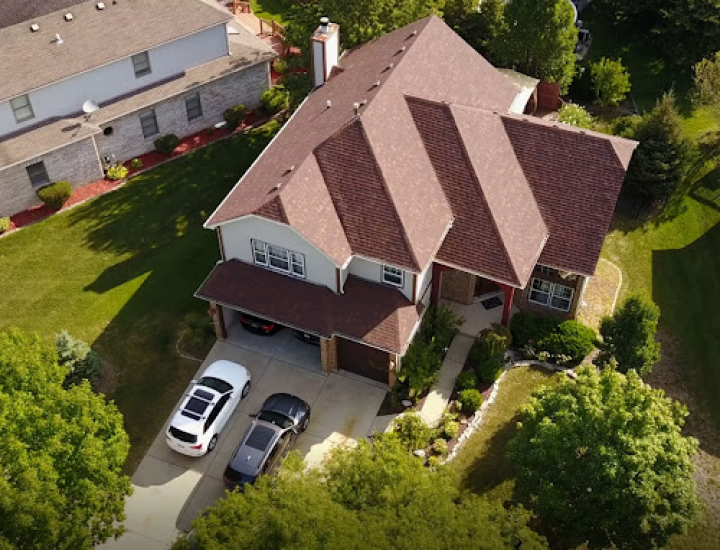
Homes in this part of Wisconsin deal with a full range of seasonal stress, from heavy snow and snowmelt in winter to steady spring rain and summer storms that test every layer of a roofing system. For homeowners in established Sauk City neighborhoods, where older homes are common, getting ahead of a roof replacement before the next winter arrives is one of the most practical things you can do to protect your property and avoid the kind of expensive repairs that come from letting a worn roof go too long.
Badgerland Property Service is ready to walk you through the process from inspection to final walkthrough. If you have questions about your current roof or want to get a clear picture of what a replacement would involve for your home, reaching out is a simple first step with no pressure attached.




Long-lasting Roofs & Trusted Customer Service

Built to Last
Military precision, durable materials, and expert craftsmanship on every project.

No Gimmicks, Just Results
Upfront pricing, clear communication, and a team you can trust.